
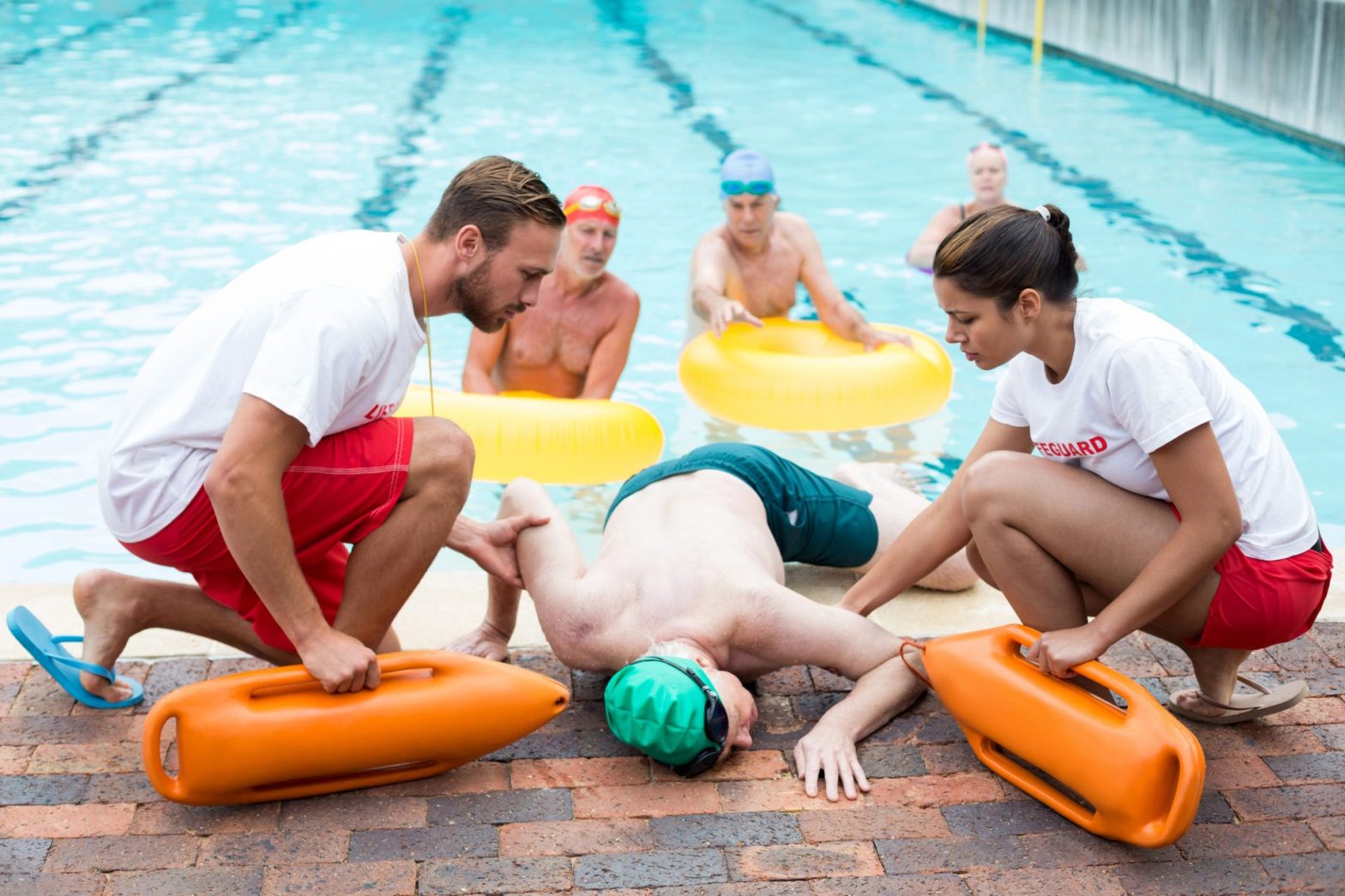
A day at the pool is meant to be fun, be it at a hotel, someone’s backyard, or a public facility, and no one expects to leave with a serious injury. Unfortunately, swimming pool accidents in New York happen more often than you may realize, and the consequences can be devastating. After all, a serious injury can result in physical pain, medical bills, and emotional distress. In such a scenario, it’s fair to wonder how pool accident liability in New York works.
A good starting point is to understand that New York swimming pool accident liability laws require property owners to keep their pools reasonably safe. If they fail to do so, it’s possible to hold them legally accountable.
The Role of Premises Liability in Swimming Pool Accidents
New York swimming pool injury claims fall under premises liability, a subset of personal injury law. This legal concept requires homeowners, businesses, and government entities to maintain their property in a reasonably safe condition to prevent foreseeable harm.
To establish negligent pool owner liability, you must typically prove these elements.
- The property owner owed you a duty of care.
- A dangerous condition existed on the premises, such as a broken latch, a defective drain, or unmaintained decking.
- The owner either knew about the hazard, or should have known about it, and failed to fix it.
- This negligence resulted in your injuries.
Are Swimming Pool Fences Required by Law in New York?
In New York, pool fencing isn’t just a safety recommendation; it is a strict statutory requirement. The safety of young children depends on these physical barriers, and the state enforces specific rules to prevent unsupervised access.
New York State laws require most pools to have intact fences or barriers at least 48 inches in height. However, keep in mind that some local municipalities have even stricter rules. For example, the Town of Hempstead on Long Island mandates a minimum height of 60 inches. In addition:
- The release latch handle must be located on the pool-facing side of the gate, positioned at least 40 inches above the ground so toddlers cannot reach it.
- The spacing between pickets or links cannot allow a sphere of 4 inches in diameter to pass through.
- Any gates leading to the pool must swing away from the pool area and be equipped with self-closing and self-latching mechanisms.
Who is Liable If a Child Drowns in a Neighbor’s Pool in NY?
New York law recognizes that children may not fully understand the dangers associated with swimming pools, and it expects pool owners to take additional precautions to prevent unauthorized access. This concept functions along the lines of the attractive nuisance doctrine, which recognizes that certain hazards may attract children who are unable to appreciate the risks involved.
So, the answer to, “Are pool owners responsible for child drowning accidents?” is yes. Even if a child is technically trespassing, it is possible to hold a homeowner liable for injuries if they fail to secure their pool area with a proper fence and self-locking gate.
Liability If an Adult Trespasser Drowns in a Private Pool
If an adult trespasses onto private property to use a pool without permission, the legalities change significantly. Under New York law, a property owner generally does not owe a duty of care to an adult trespasser other than to refrain from setting intentional traps or causing willful harm. Since the law expects adults to understand the dangers of swimming unsupervised, it’s difficult to hold a homeowner liable if an uninvited adult trespasses, uses their pool, and suffers an accident.
Liability at New York Pool Parties
If you host a backyard pool party, you owe your guests a duty of care and a duty to warn them of any non-obvious dangers. Consider these examples.
- The diving dilemma. If your pool has a shallow end where diving is dangerous, but you fail to post signs or warn your guests, the law can hold you liable for a shallow end diving injury.
- The slip and fall hazard. If algae build up on the pool deck, creating a dangerously slick surface, you have a duty to clean it or warn guests. Failing to do so can leave you liable for a slip and fall accident.
- Alcohol and supervision. If you serve alcohol to underage guests who subsequently drown or suffer injuries, you may face severe civil and criminal penalties under New York’s social host law.
What If an Injured Person Is Partly at Fault?
When a pool accident occurs, insurance companies will often try to shift the blame to the victim. They might argue that an injured individual was roughhousing, diving recklessly, or drinking alcohol before swimming.
What helps is that New York operates under a contributory negligence rule. This means that even if you are partially to blame for your accident, the law does not prohibit you from recovering compensation. Instead, your financial award simply reduces by your percentage of fault.
For Example, if a court determines your total damages to be $100,000, but finds you were 30% responsible for diving into a shallow area, you can still recover the remaining 70%, which amounts to $70,000.
Can You Sue a City or Public Pool in New York?
Yes, but the rules are vastly different and stricter than suing a homeowner or a business. If you suffer injury at a municipal pool owned by a city, town, or public-school district, you are dealing with a government entity. To pursue compensation, you must navigate tight deadlines.
- The 90-day notice of claim. Before you can file a lawsuit against a government entity in New York, you must file a formal notice of claim within 90 days of the accident. Missing this deadline forfeits your right to sue.
- Shortened statute of limitations. While the statute of limitations to file a standard personal injury lawsuit against a private party in New York is generally three years, when it comes to filing a lawsuit against a government entity, you need to do so within one year and 90 days of the incident.
Conclusion
Swimming pool accidents in New York often involve severe injuries, and dealing with insurance companies of homeowners, commercial hotels, or municipal entities can be an uphill battle. In any such scenario, consulting an experienced swimming pool accident lawyer is the best way forward. A skilled lawyer can help you investigate the property, preserve evidence, and ensure that you get the compensation you deserve.