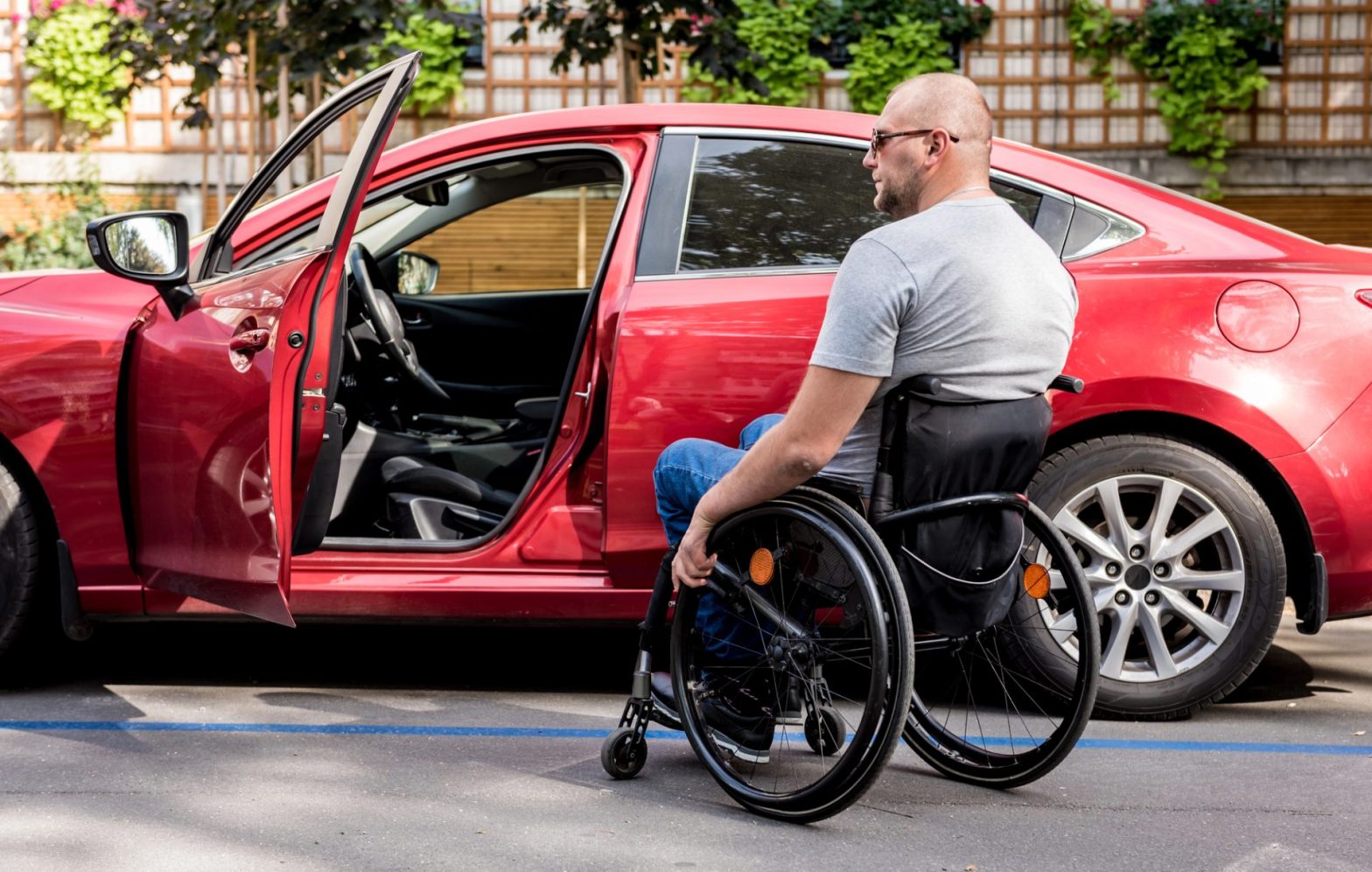
The Americans with Disabilities Act (ADA) is in place to ensure that individuals with disabilities have equal access to public spaces, businesses, transportation, and services. When a property owner ignores accessibility requirements and someone suffers injury as a result, the consequences can extend beyond regulatory penalties and become the basis for a personal injury lawsuit.
This is because accessibility barriers create dangerous conditions that may lead to falls, collisions, wheelchair accidents, or other injuries, thereby giving injured individuals the grounds to pursue compensation through ADA injury claims.
So, what are the common ADA violations that cause injuries, and how do you protect your rights after any such incident?
What ADA Violations Can Lead to Personal Injury Claims?
Accessibility guidelines are highly technical, to say the least, and they dictate everything from exact angles of decline to the precise height of a mounting screw. When these measurements are off by even an inch, the risk of an accident increases significantly. Here are the most common Americans with Disabilities Act violations that New York ADA injury lawyers encounter.
Broken or Noncompliant Wheelchair Ramps
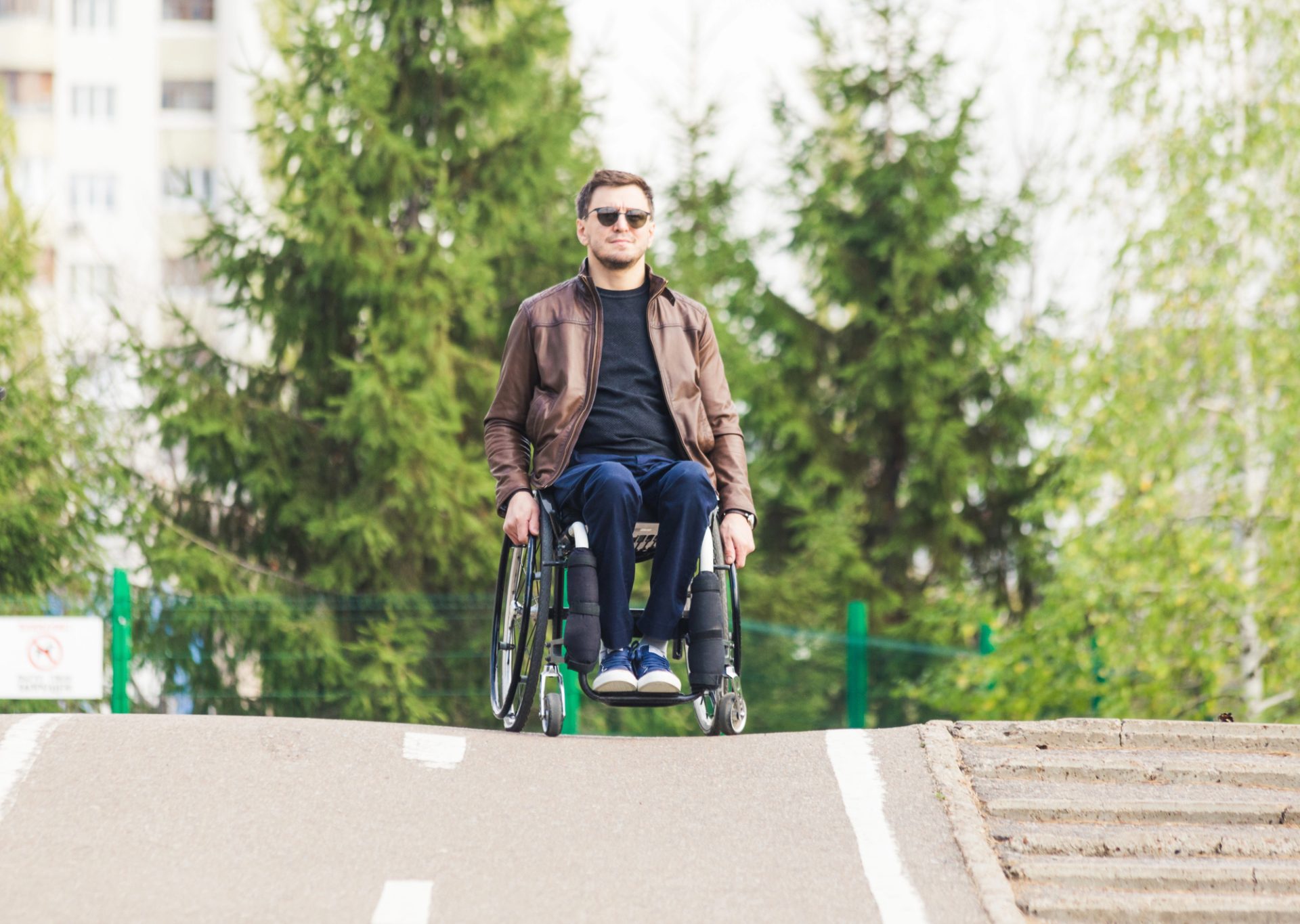
Wheelchair accessibility injuries are fairly common, the cause of which is typically a broken or noncompliant ADA ramp. This is because an improperly designed or poorly maintained ramp can become dangerous for wheelchair users and pedestrians alike. Common ramp-related violations include:
- Excessively steep slopes.
- Cracked, uneven, or slippery surfaces.
- Missing handrails.
- Inadequate landings.
- Poor drainage that causes water accumulation.
Missing or Unsafe Handrails and Railings
Handrails play a critical role in preventing falls, especially for people with mobility impairments, and stairways, ramps, and elevated walkways without adequate or suitable handrails increase the likelihood of serious falls. When it comes to this aspect, common ADA violations that lead to personal injury lawsuits include:
- Missing handrails.
- Loose railings.
- Improperly installed railings.
- Handrails and railings that fail to meet accessibility standards.
Inaccessible Entrances
An entrance that is difficult to navigate may create more than an inconvenience; it can result in injuries. After all, individuals using wheelchairs, walkers, canes, or other mobility devices may have to maneuver around obstacles in unsafe ways. Violations of accessible entrance requirements can come in the form of:
- Steps without alternative access.
- Excessively heavy doors.
- Narrow entryways.
- Raised thresholds.
- Damaged automatic door systems.
Hazardous and Inaccessible Parking Areas
Accessible parking spaces are ones that allow individuals with disabilities to safely enter and exit their vehicles. Problems often arise when businesses fail to maintain these designated areas properly. For example, someone with mobility limitations may trip and fall while navigating a deteriorated pathway between a parking lot and a building. Inadequate handicap parking injury claims tend to revolve around:
- Missing access aisles.
- Uneven pavement.
- Broken curbs.
- Improper slopes.
- Faded markings.
- Obstructed routes to building entrances.
Improper Curb Ramps
Curb ramps provide a critical transition between sidewalks and roadways, and when improperly designed or poorly maintained, they can pose a hazard. This is because wheelchair users, parents pushing strollers, and pedestrians with mobility impairments may face increased risk when curb ramps fail to meet safety standards. Problems with curb ramps typically include:
- Excessive slopes.
- Surface deterioration.
- Abrupt level changes.
- Improper placement.
Uneven and Inaccessible Walkways
The ADA requires accessible walkways/routes that allow individuals with disabilities to move safely through a property. However, several establishments fail to meet ADA accessibility requirements owing to hazards such as:
- Cracked sidewalks.
- Uneven flooring.
- Loose carpeting.
- Sudden elevation changes.
- Obstructed pathways.
Inaccessible Restrooms
Several ADA personal injury lawsuits in New York arise because restrooms fail to comply with accessibility standards. For example, a disabled individual may suffer injury because of:
- Improper grab bar placement.
- Insufficient maneuvering space.
- Slippery flooring.
- Inaccessible sinks.
- Doors that are difficult to operate.
Elevator Accessibility Violations
Elevator accidents can result in severe injuries, particularly when individuals become trapped, fall while entering or exiting, or encounter sudden malfunctions. Besides, elevators are often essential for individuals with disabilities to access upper or lower floors. Problems can arise because of:
- Poor maintenance.
- Frequent out-of-service instances.
- Malfunctioning doors.
- Missing accessibility features.
Can I Sue for Injuries Caused by ADA Violations?
An ADA violation does not automatically mean that you can sue a property owner for an injury. However, evidence of noncompliance may help demonstrate that a dangerous condition existed and that the owner failed to take reasonable steps to correct it in a timely manner.
Does an ADA Violation Automatically Prove Negligence?
In many personal injury cases, negligence is the central issue in the failure to maintain ADA compliance. As a result, an injured person must typically prove that:
- A dangerous condition existed on the property.
- The property owner or manager knew or should have known about the same.
- The owner or manager failed to address the hazard.
- The hazardous condition caused the injury.
What helps is that ADA noncompliance can serve as persuasive evidence when evaluating whether a property owner acted reasonably under the circumstances.
How to Protect Your Rights
If you suffer accessibility-related injuries in New York, you must follow a few steps soon after the accident to safeguard your rights.
- Take photos and video. Keep in mind that property owners may fix ADA violations soon after an accident to cover their tracks. As a result, the photos and videos you take at the scene can serve as vital evidence and help corroborate your claim.
- Report the incident. Report the accident to the property manager or owner, ensure that they fill out an incident report, and get a copy of it before you leave.
- Identify witnesses. If anyone saw the accident or helped you soon after, make sure you get their names and contact details. This is because witness testimony can help you at the negotiation table and in court.
- Seek immediate medical attention. It is crucial to seek medical attention as quickly as possible. This is because your initial medical records create an unbroken chain of evidence linking your trauma to the other party’s negligence.
What Compensation is Available for Accessibility-Related Injuries?
People who file personal injury claims involving ADA violations might be able to seek compensation to cover different damages. These include economic and non-economic damages, such as:
- Past medical expenses.
- Future medical treatment costs.
- Rehabilitation expenses.
- Mobility equipment replacement costs.
- Pain and suffering.
- Loss of earnings.
The value of a claim typically depends on the severity of the injuries, the circumstances of the accident, and the evidence establishing liability.
How an ADA Compliance Attorney Can Help
If you suffer injury because of an accessibility barrier or ADA-related safety hazard, an experienced ADA compliance attorney can help protect your rights and evaluate your legal options. You may expect your attorney to:
- Investigate the accident.
- Gather evidence of ADA noncompliance.
- Consult with accessibility and safety experts.
- Determine whether a property owner’s negligence contributed to your injuries.
They can also handle communications with insurance companies, calculate the full extent of your damages, and pursue compensation for medical expenses, lost income, and pain and suffering while you focus on your recovery.
Conclusion
Remember that ADA requirements exist mainly because accessibility barriers can create genuine safety hazards. Broken ramps, missing handrails, inaccessible entrances, hazardous parking areas, and obstructed pathways can all lead to serious injuries when property owners fail to address them.
By understanding the common ADA violations that lead to personal injury lawsuits, you can place yourself in a better position to determine whether you have the right to seek compensation. If and when it doubt, it’s best to consult with a New York ADA injury lawyer or attorney.