
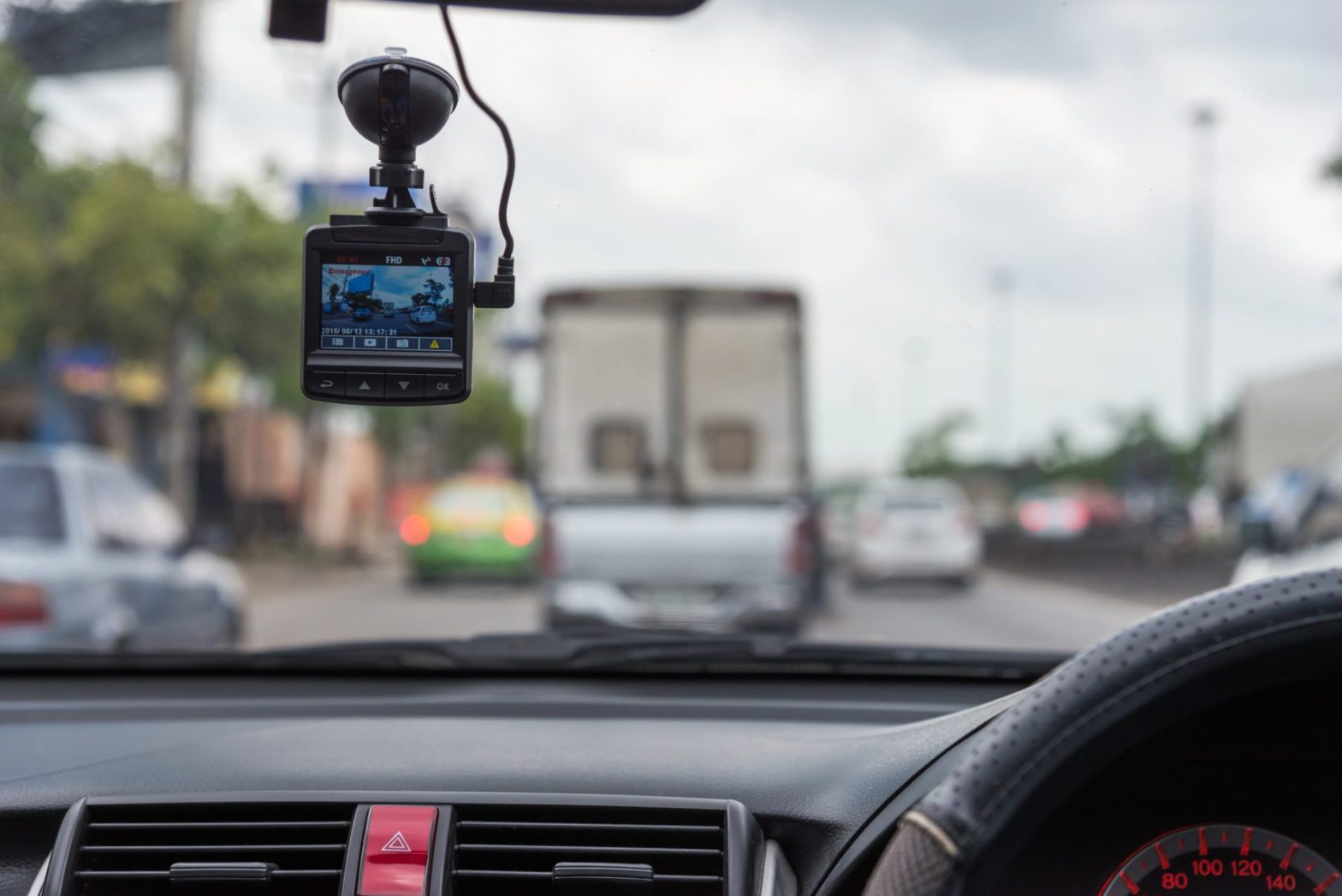
In recent times, video footage has provided answers that eyewitnesses and accident reports cannot. Dashcams, traffic cameras, security cameras, and other surveillance systems have become common throughout New York, and no matter where a collision might occur, there is a good chance that some form of video footage captures the event.
However, many accident victims have questions about CCTV and dashcam footage admissibility. These typically come in the form of “Is dashcam footage legal in New York?” and “Is CCTV footage admissible as evidence?” While the answers to these are fairly straightforward, it’s also important to understand what you should do to preserve valuable video evidence and ensure it doesn’t disappear.
Can Video Evidence Prove Liability in a Car Accident?
Traditionally, proving fault in a New York car accident depended on different types of evidence, such as police reports, witness testimony, photographs, vehicle damage assessments, medical records, and accident reconstruction reports. While these forms of evidence remain important, video footage helps provide an objective record of events.
For example, a dashcam may show a driver running a red light, a nearby business’s security camera may capture a vehicle making an illegal turn, and traffic camera footage may reveal the exact sequence of events leading to a crash.
Unlike witness testimony, where memory and perception might play a role, video evidence often provides a real-time account of what occurred. As a result, it has become one of the most persuasive forms of proof that helps establish liability in personal injury claims and lawsuits.
What Types of Video Footage Can Be Used in a New York Accident Case?
Depending on where an accident occurs, different types of video evidence may be available. This can include dashcam footage, CCTV and security camera footage, traffic camera footage, and footage from Body-Worn Cameras (BWCs).
Dashcam Footage
A 2026 report indicates that 30% of drivers in the U.S. use dashcams, and 40% of them have recorded accidents on video. In addition, 36% of drivers currently without dashcams say they are likely to buy one within a year. This is not without reason, because dashcams can successfully capture:
- Speed and direction of travel.
- Traffic signals.
- Lane changes.
- Driver behavior.
- The collision itself.
- Date, time, and GPS location.
CCTV and Security Camera Footage
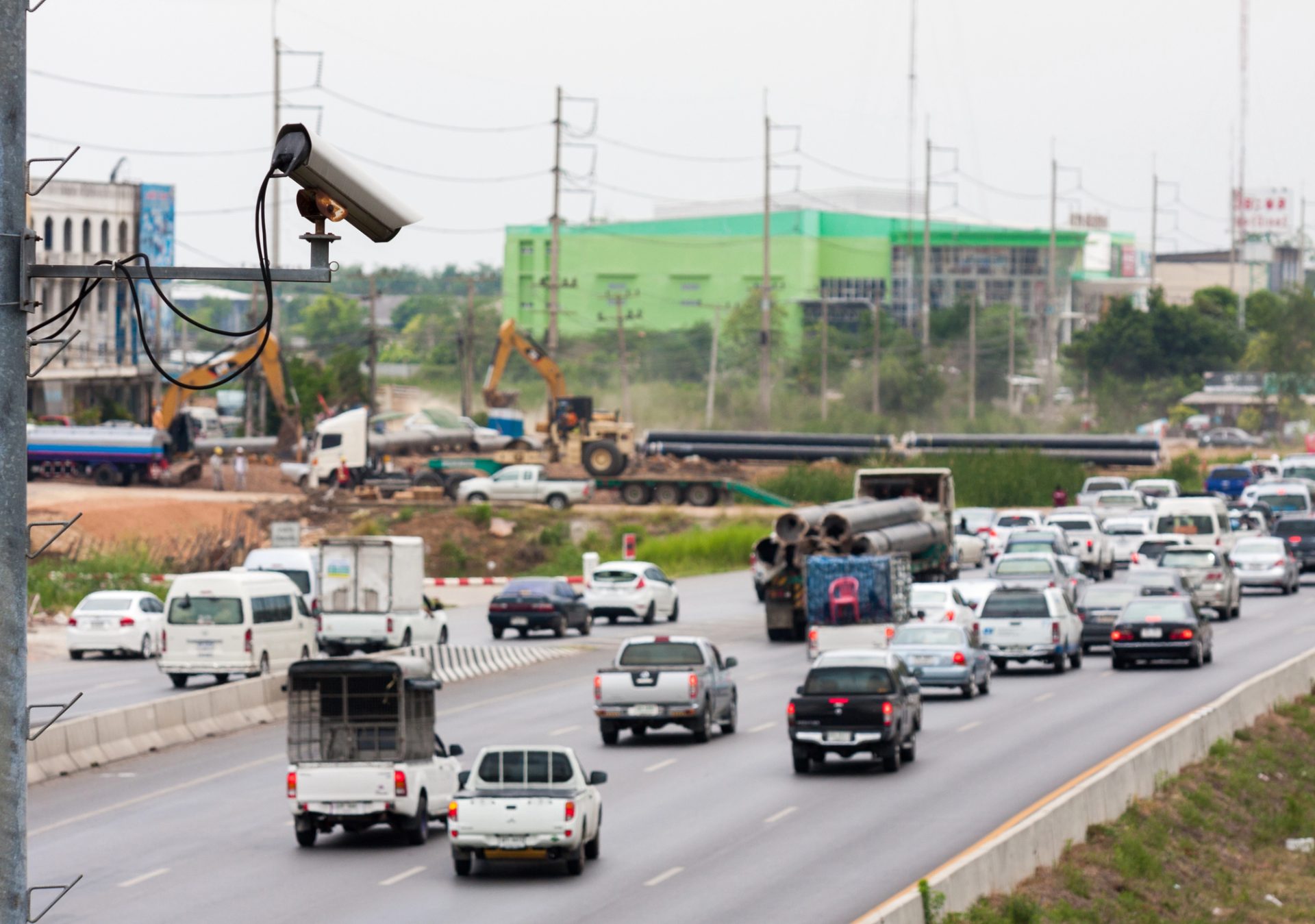
The answer to “Can CCTV footage be used as evidence in a New York car accident lawsuit?” is yes. What helps is that most businesses, apartment buildings, and parking garages, and many private property owners use surveillance systems. In several claims, CCTV footage from nearby businesses becomes a critical piece of evidence because it can capture what happens at:
- Intersections.
- Parking lots.
- Sidewalks.
- Building entrances.
- Adjacent roadways.
Traffic Camera Footage
Government agencies operate cameras throughout New York for monitoring traffic. Depending on the location, traffic camera footage may provide valuable evidence from the moments leading up to an accident to the collision itself.
Footage From Body-Worn Cameras
While police officers typically arrive after a crash occurs, and BWC footage rarely records the impact itself, it serves as an undeniable real-time record of the immediate aftermath. For example, it might record a self-incriminating statement an at-fault driver makes soon after an accident, or it may capture a driver’s slurred speech and bloodshot eyes.
Is Dashcam Footage Admissible in New York Courts?
Generally speaking, admissible video evidence in NY can include dashcam, CCTV, traffic camera, and BWC footage. New York courts typically allow the presentation of video evidence if the party presenting it meets the requirements for authenticating video evidence. For this to happen, you must convince the court that:
- The footage is genuine.
- You have not made any changes to the recording.
- The footage is sufficiently clear.
- The video accurately depicts the events shown.
- It’s possible to identify the source of the recording.
Once authenticated, video evidence in personal injury cases can be extremely persuasive because it allows jurors, judges, and insurance adjusters to see how the events unfolded firsthand. In many cases, dashcam and CCTV footage help prove liability when witnesses provide conflicting statements.
What Makes Video Evidence Inadmissible?
Defense attorneys and insurance companies tend to fight tooth and nail to exclude damaging video evidence. Fortunately, understanding what makes video evidence inadmissible in New York can help you avoid critical mistakes.
Failure in the Chain of Custody
The chain of custody refers to the chronological paper trail showing who held, transferred, and secured the video files from the moment of the crash until it enters the courtroom. If a defense attorney highlights that a memory card sat on a kitchen counter for three weeks or was handled by multiple people without documentation, they can argue the video is compromised.
Evidence of Video Tampering or Editing
Remember that courts require unedited footage. Any sign of splicing, missing frames, or digital alteration will likely cause a judge to rule the video inadmissible. Worse yet, it can ruin your credibility entirely and potentially expose you to fraud charges.
Issues with Time Stamp Accuracy
Many dashcams reset their internal clocks if their internal battery dies. So, if your accident occurred on May 30, 2026, but your dashcam’s display shows a different date, a defense lawyer might exploit this time stamp accuracy flaw to argue that the video does not depict the accident in question. While it’s possible to overcome this by matching landmark visuals, it might create an uphill battle for your legal team.
Can Video Footage Be Challenged or Excluded?
The short answer to this is yes, and the opposing party may challenge video evidence for several reasons. Common arguments include:
- Alleged alteration. A defendant may argue that the footage is edited or manipulated, which is why maintaining the original recording is critical.
- Incomplete recording. Sometimes, video footage might capture only a portion of an event. In such a scenario, the opposing party may argue that the footage lacks important context.
- Poor video quality. Blurry footage can create disputes regarding what actually occurred.
- Lack of authentication. If the party showing the video cannot establish its origin or accuracy, a court may find it to be inadmissible.
How to Obtain Surveillance Footage After a Car Accident?
Waiting too long to get video evidence is a big mistake because many surveillance systems automatically overwrite recordings after a short period. In some cases, the footage you need might disappear within days. As a result, if you think a nearby business captured your accident, it is important to act quickly. Potential sources include:
- Retail stores.
- Gas stations.
- Restaurants.
- Apartment complexes.
- Office buildings.
- Parking garages.
To prevent invaluable footage from being permanently erased, your personal injury attorney will generally take immediate action.
- Send a spoliation letter. Your lawyer will immediately dispatch a formal legal notice (spoliation letter) to the property owner demanding that they preserve the specific security camera footage. Under NY law, if a party destroys evidence after receiving a preservation notice, they can face severe legal penalties.
- Utilize a subpoena duces tecum. If a business owner refuses to hand over the video voluntarily, your attorney can issue a subpoena duces tecum during the discovery phase of a lawsuit, legally compelling it to produce the required footage.
- Send a Freedom of Information Law (FOIL) request. If a crash was caught by a government-operated traffic or municipal camera, your lawyer must file a prompt FOIL request to extract the files from state or city entities before they no longer remain in the system.
What Happens if Important Video Evidence Is Destroyed?
The spoliation of evidence doctrine has a bearing on what happens if accident footage is deleted or destroyed. It implies that when a party destroys relevant evidence after becoming aware of potential litigation, they might have to face legal consequences.
For example, if a business receives notice that surveillance footage relates to a pending injury claim but deletes it anyway, a court may consider imposing sanctions. The specific consequences vary based on the circumstances, but courts generally take evidence preservation seriously.
Can Insurance Companies Use Dashcam Footage Against You?
While many people assume video evidence only helps injured victims, the reality is that insurance companies use it as well. After all, if an insurer has footage that appears to contradict a claimant’s version of events, it may use the evidence to reduce or deny compensation. For example, dashcam footage may:
- Show a different sequence of events than initially reported.
- Reveal contributory negligence.
- Help challenge allegations regarding the severity of a crash.
Given that New York follows a contributory/comparative negligence system, video evidence can play an important role in assigning fault to more than one party.
What If Video Footage Contradicts Witness Testimony?
When you present dashcam or CCTV evidence in court, it can be highly persuasive, but it is not necessarily conclusive. This is because courts consider all available evidence, including witness testimony, police reports, expert opinions, and physical evidence. If footage conflicts with witness accounts, courts must determine which evidence is more credible.
In many cases, video recordings influence that determination significantly because they provide a direct visual record of the events. However, context still matters. Besides, camera angles, blind spots, and recording limitations can affect how a collision appears on video.
How Attorneys Use Admissible Video Evidence in NY
Experienced personal injury attorneys often use video evidence to strengthen their cases, and in some situations, a single video clip can change the entire trajectory of a case. Whether in the form of dashcam, CCTV, or traffic camera footage, attorneys can use it to:
- Identify negligence.
- Establish fault.
- Reconstruct a collision.
- Challenge inaccurate witness testimony.
- Support settlement negotiations.
- Strengthen courtroom presentations.
Conclusion
Now that you know how video evidence affects insurance claims and lawsuits, and how CCTV and footage admissibility work, keep in mind that it can significantly strengthen an injury claim. However, it can also raise complex legal issues involving authentication, admissibility, preservation, and comparative fault.
Given that surveillance footage is often deleted or overwritten quickly, accident victims should act promptly. The good thing is that an experienced personal injury attorney can help secure critical video footage, protect your rights, and ensure using the evidence properly to support your claim.