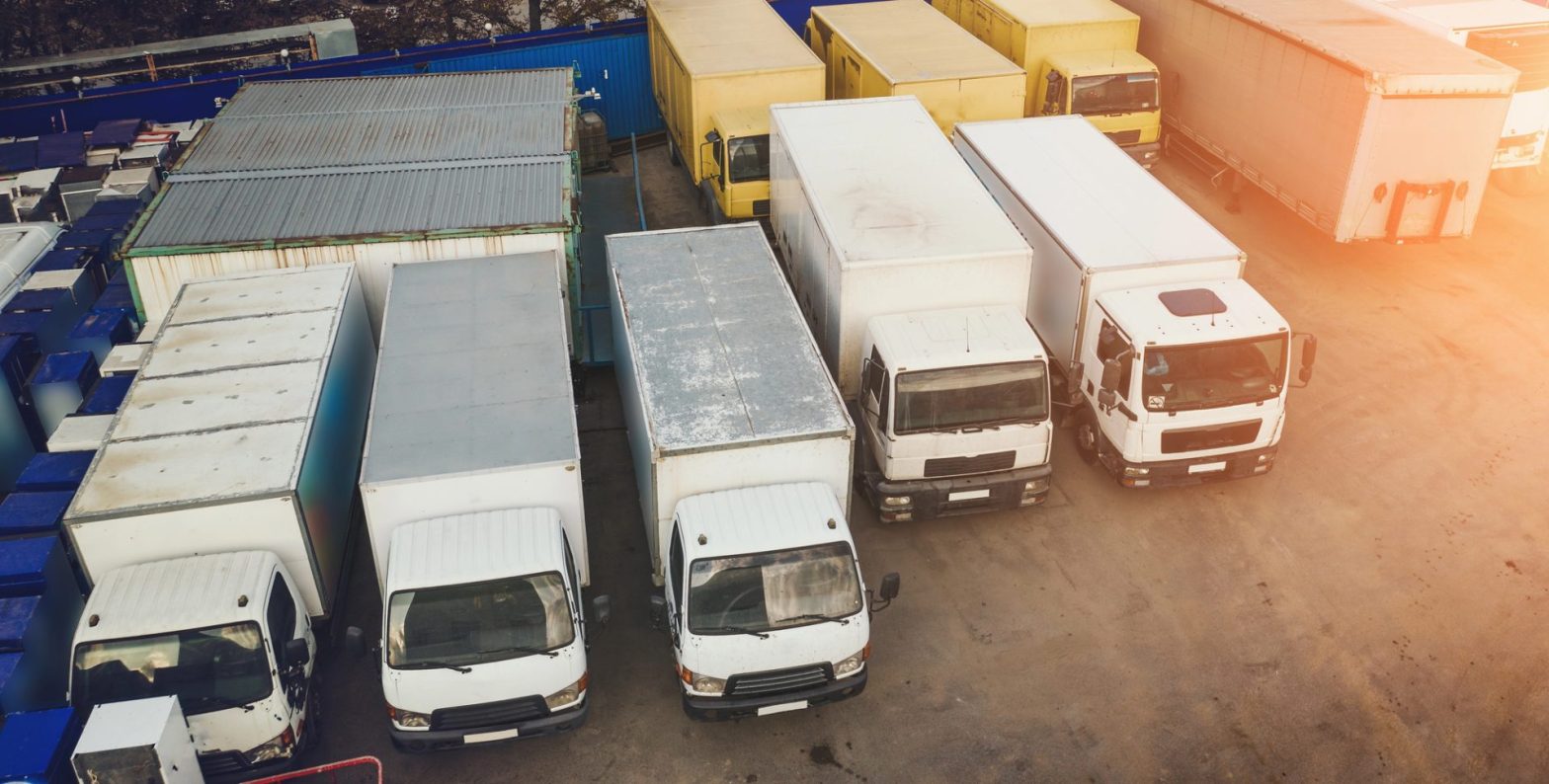
When an accident involves a commercial truck, you might have to deal with multiple parties, federal regulations, and insurance carriers working aggressively to reduce liability. In many cases, the trucking company, and not just the driver, may be liable for the crash. Understanding the intricacies of trucking company liability in New York can help injured victims protect their rights and seek the compensation they deserve.
What Is Vicarious Liability in Trucking Accidents?
In some cases, it’s possible to hold a trucking company liable for the actions of its driver under the vicarious liability doctrine. This means a court can hold an employer responsible for negligent acts committed by its employees within the scope of employment, while performing job-related duties.
For example, if a driver for a shipping firm causes a pileup while speeding to meet a deadline, the company is generally liable for the resulting damages. You do not necessarily have to prove the company did something wrong independently; the driver’s negligence shifts to the employer.
However, trucking companies often attempt to circumvent this by classifying drivers as independent contractors. In New York, courts look past these labels to the right of control, examining who owns the truck, who sets the route, and who dictates the hours.
When Is a Trucking Company Liable for an Accident in New York?
Beyond vicarious liability, it might be possible to hold a trucking company directly liable for its corporate failures. This is typically where one finds the most significant evidence of negligence.
Negligent Hiring and Retention
Suing a trucking company for negligent hiring practices might be possible because New York law requires motor carriers to exercise reasonable care in hiring. This means conducting thorough background checks, verifying commercial driver’s licenses, and reviewing past safety records. If a company hires a driver with a history of DUIs or multiple reckless driving citations, and that driver subsequently causes an accident, the company may be guilty of negligent hiring.
Failure to Train and Supervise
Operating a large truck is a specialized skill, and companies must ensure training their drivers in defensive driving, cargo securement, and the handling of hazardous materials. When a company prioritizes speed over safety training, it creates a foreseeable risk of harm to every other driver on the road.
Negligent Maintenance
Trucks require constant upkeep, and the Federal Motor Carrier Safety Regulations (FMCSR) mandate trucking companies to perform regular inspections and maintain detailed repair logs. Common mechanical failures that lead to liability include:
- Worn brake pads or out-of-adjustment braking systems.
- Bald tires or retreads that suffer blowouts.
- Malfunctioning lights.
- Faulty steering components.
If a mechanical failure that should have been caught during a routine inspection causes a crash, you might be able to prove trucking company liability for poor maintenance.
Hours-of-Service Violations and Driver Fatigue
Federal hours-of-service rules limit how long truck drivers can operate without rest, and this is to reduce fatigued driving and improve roadway safety. However, some trucking companies prioritize profits and delivery schedules over compliance, and they might pressurize drivers to exceed legal driving limits or falsify electronic logging records.
Evidence of hours-of-service violations can strengthen an injury claim by demonstrating that the company failed to operate safely.
Black Box Evidence in New York Truck Accident Claims
Many commercial trucks contain electronic control modules or black boxes that can record important crash-related information, including:
- Vehicle speed.
- Braking activity.
- Engine performance.
- Steering inputs.
- Hours of operation.
While black box data can provide valuable proof about what happened before an accident, trucking companies often control access to this evidence. This is why prompt legal action may be necessary to preserve electronic records before they are lost, overwritten, or destroyed.
The Role of Contributory Negligence
New York follows a contributory negligence system, which means an injured person may still recover compensation even if they were partially at fault for the accident. For example, if a court finds an injured driver 20% responsible for a collision, their compensation reduces by 20%.
Trucking companies and insurers frequently attempt to shift blame onto injured victims to minimize payouts. A thorough investigation can help counter these arguments and establish the full extent of corporate negligence.
Conclusion
Trucking company liability in New York gives you the means to achieve true accountability if you or a loved one has been involved in a collision with a commercial vehicle. However, since these companies and their insurers have large legal teams in place, consulting with a trucking accident lawyer might be in your best interest.