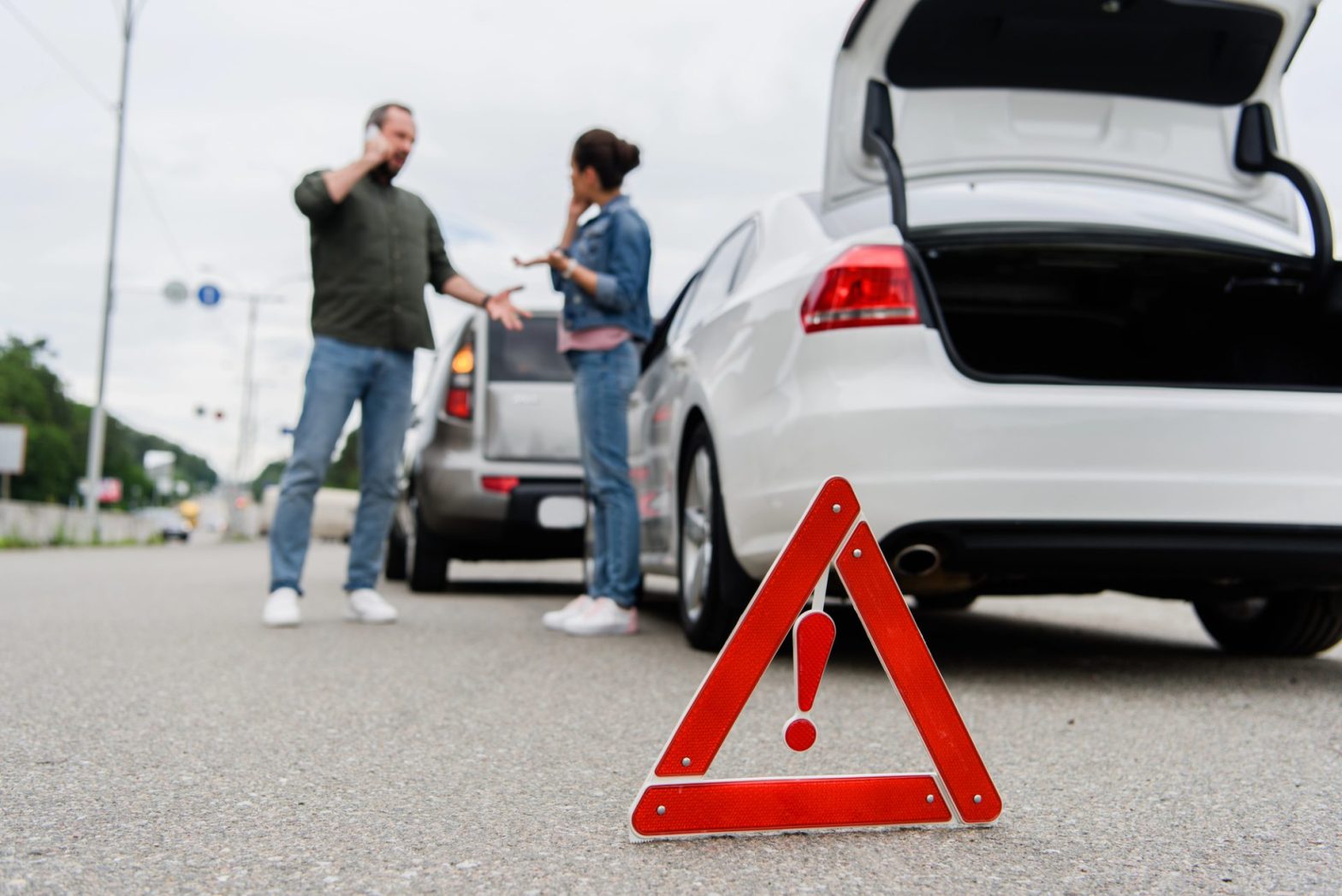
After a collision, an at-fault driver may deny running a red light, claim they had the right of way, accuse the other driver of causing the accident, or even change their version of events after speaking with an insurance company. When there’s a dispute in establishing fault, it’s common for injured victims to worry that their claim might be denied or they may be blamed for an accident they did not cause.
So, what happens if the at-fault driver lies about an accident in NY?
The good news is that insurance companies, attorneys, and courts deal with conflicting accident accounts every day, and a driver’s statement is only one piece of the puzzle. Evidence, witness testimony, police reports, vehicle damage, video footage, and expert analysis often reveal what really happened.
Reasons for an At-fault Driver Lying
An at-fault driver might provide an inaccurate or false statement to shift blame after an accident. For instance, while some people panic immediately after a collision and deny responsibility instinctively, others worry about increased insurance premiums, license penalties, or potential legal consequences. In more serious cases, a driver may deliberately lie to avoid liability for injuries and property damage.
Common examples of at-fault drivers lying include:
- Denying they were speeding.
- Claiming they had a green light.
- Saying the injured driver was distracted.
- Changing their account of how the accident occurred.
- Denying that they were using a cell phone.
- Misrepresenting road or weather conditions.
- Blaming a phantom vehicle that allegedly caused the crash.
If an at-fault driver denies causing an accident, it can create complications, but it rarely ends an injury claim on its own. This is because insurance adjusters investigate disputed liability cases thoroughly, and courts rely on evidence instead of unsupported accusations.
How New York Views Disputed Liability in Car Accidents
Backed by two critical legal pillars, New York handles car accidents differently from many other states. These include no-fault insurance and contributory negligence.
The No-Fault Insurance Umbrella
New York is a no-fault insurance state, which means that regardless of who causes a crash, and even if the other driver is spinning a web of lies, your own automobile insurance policy covers your immediate economic losses. Referred to as personal injury protection (PIP), it pays for:
- Your necessary medical treatments, surgeries, and rehabilitation.
- A percentage of your lost wages if the injuries prevent you from working.
- Other reasonable and necessary expenses, like transportation to doctors or household help.
In this case, the other driver lying about an accident won’t stop you from getting your initial medical bills paid. However, PIP has limits, usually $50,000, and it does not cover pain, suffering, emotional distress, or vehicular damage.
The Contributory Negligence Trap
New York follows a contributory negligence system, which allows dividing fault for an accident among the drivers involved based on their percentage of blame. This is why proving fault in a car accident becomes absolutely paramount.
Consider this example. If an insurance adjuster or a jury decides that the other driver was 80% responsible for the crash because they sped through an intersection, but you were 20% responsible because you didn’t react fast enough, your ultimate financial recovery reduces by 20%.
This is one of the common reasons for contested car accident claims because at-fault drivers don’t necessarily have to convince a judge or jury that you are completely at fault. If their lie successfully pins 10% or 25% of the blame on you, their insurance company can save thousands of dollars.
Can a Police Report Prove Who Caused a Car Accident?
Many accident victims assume that a police report determines fault automatically, but the truth is that the situation is more nuanced. This is because while a police report is an important piece of evidence, it is not necessarily the final word on liability. Typically, police officers may document:
- Statements from drivers and witnesses.
- Road conditions.
- Vehicle damage.
- Traffic citations.
- Preliminary assessments of fault.
In a scenario where an officer cites the other driver for a traffic violation, this information may strengthen your claim. However, insurance companies can still conduct their own investigations. In addition, if a police report contains errors, additional evidence may help correct the record.
What Happens When Fault Is Disputed After a New York Car Accident?
Instances of people giving false statements after car accidents are rather common, and many car accident claims begin with two drivers providing completely different versions of the same event. As a result, just because one driver says something happened does not make it true.
When it comes to car accident disputes in NY, insurance companies generally conduct a liability investigation, and this is to determine which account the available evidence supports. Instead of relying solely on either driver’s statement, investigators look for objective evidence that supports one version of events over another, and they may examine:
- Police reports.
- Witness statements.
- Vehicle damage.
- Photographs.
- Dashcam footage.
- Traffic camera recordings.
- Surveillance footage.
- Medical records.
- Cell phone records.
- Event data recorder (EDR)
What If the Other Driver Changes Their Story After an Accident?
When a driver involved in an accident changes the story, it can raise credibility concerns. For instance, a driver who initially apologizes at the scene may later tell an insurance company that the accident was someone else’s fault. While this can be frustrating, inconsistencies often work against the person making them.
On the other hand, consistent and accurate statements from the injured victim often strengthen a claim considerably. To make sure they get the facts right, insurance adjusters, attorneys, and juries frequently compare:
- Recorded statements.
- Police reports.
- Witness testimony.
- Medical records.
- Deposition testimony.

What If the Other Driver Commits Insurance Fraud?
There are situations when the other driver lying about an accident crosses the line into insurance fraud. These can come in the form of:
- Filing false claims.
- Staging accidents.
- Fabricating injuries.
- Providing false statements intentionally.
- Altering evidence.
Keep in mind that insurance companies investigate suspected fraud aggressively, and if they uncover fraudulent conduct, the consequences can include claim denial, civil liability, fines, and even criminal proceedings.
Steps You Should Take If the Other Driver Lies
If you believe the other driver is misrepresenting what happened after an accident, taking prompt action can strengthen your case.
- Call the police. Always report accidents that involve injuries or significant property damage to the police because an official report creates an important record of the incident.
- Gather evidence immediately. Try to take photographs and videos before anyone moves the vehicles, and document everything you can observe.
- Obtain witness information. Collect names and contact information from anyone who sees the crash because witness testimony can play a key role when drivers give conflicting accident statements.
- Seek medical attention. Prompt medical treatment protects your health and your claim. Remember that delays may create opportunities for insurance companies to challenge injuries.
- Preserve electronic evidence. Save dashcam footage, text messages, photographs, and other relevant materials, as they can serve as vital evidence.
- Speak carefully with insurance companies. While you need to be truthful when speaking with insurance companies, you must avoid speculation. When in doubt, it’s okay to say you don’t know or remember.
- Consult an experienced attorney. A personal injury attorney can investigate the accident, gather evidence, communicate with insurers, and challenge false accusations before they damage your claim.
How an Attorney Can Help in a Contested Car Accident Claim
If you’re wondering how to prove the other driver is lying about a car accident, know that legal representation can make a substantial difference. Attorneys who specialize in this field know how to:
- Obtain surveillance footage.
- Interview witnesses.
- Work with accident reconstruction experts.
- Secure electronic vehicle data.
- Review police reports.
- Challenge inaccurate statements.
- Negotiate with insurers.
- Present evidence in court if necessary.
What also helps is that insurance companies tend to take claims more seriously when they know your attorney has collected and preserved strong evidence.
The Role of Accident Reconstruction Experts
In complex cases, personal injury attorneys often turn to accident reconstruction specialists to prove what actually happened. These experts use science, engineering principles, and physical evidence to recreate how a crash occurred, and it’s common for them to evaluate:
- Vehicle damage.
- Skid marks.
- Roadway design.
- Impact angles.
- Vehicle speeds.
- Electronic vehicle data.
Their findings can be especially valuable when an at-fault driver insists on a version of events that conflicts with the evidence, and their testimony may help establish liability during settlement negotiations or at trial.
Conclusion
An at-fault driver lying about an accident can make an already stressful situation even more frustrating. Fortunately, a false statement does not determine the outcome of a claim. If the other driver denies responsibility or attempts to blame you for a crash they caused, acting quickly to preserve evidence and protect your legal rights can make all the difference.
Remember that the truth often leaves a trail, which one can uncover after thorough investigation. So, if you find yourself in a situation where an at-fault driver lies about an accident, it might be in your best interest to consult with an experienced personal injury attorney at the earliest.