
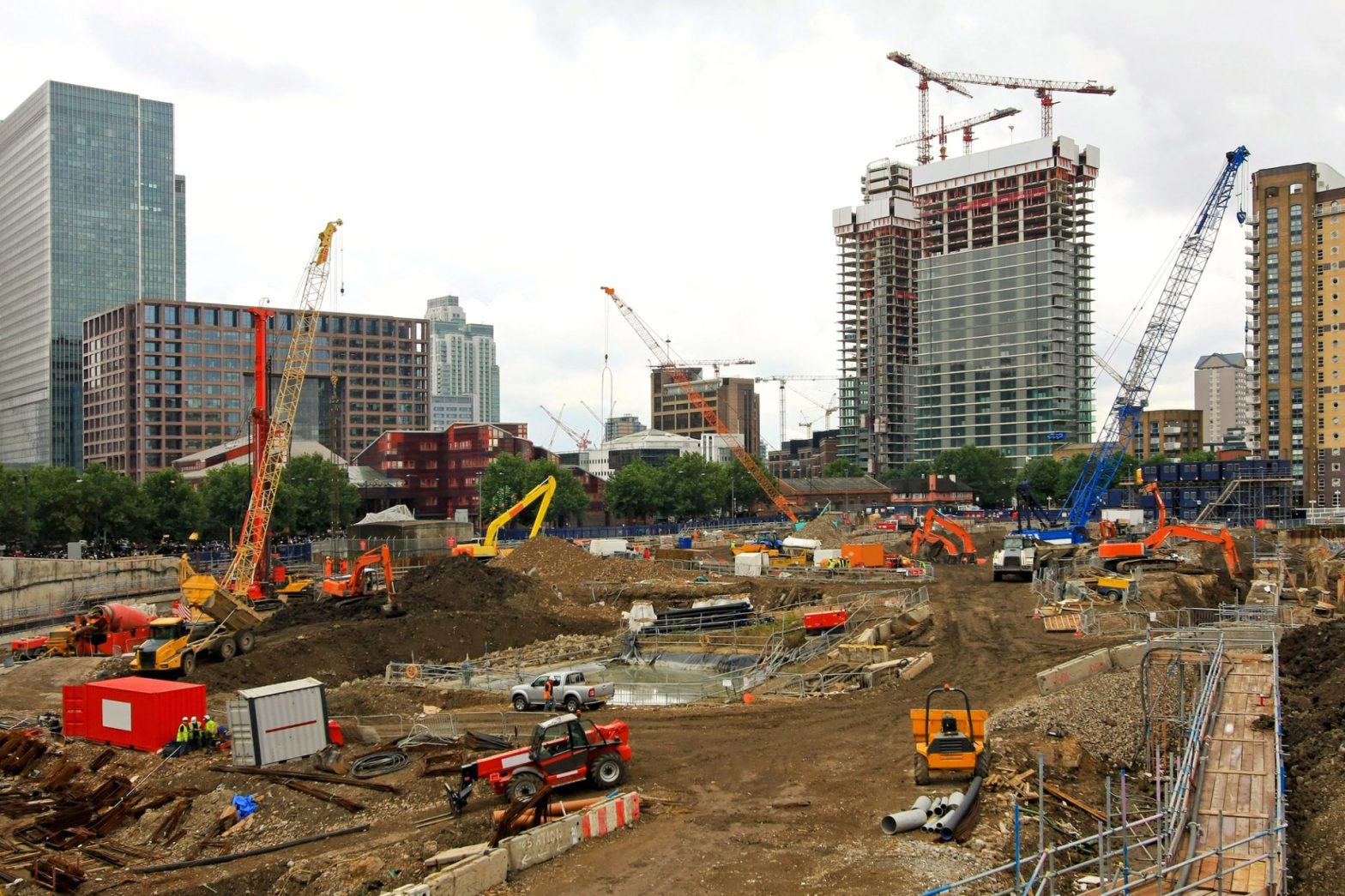
Construction sites are among the most dangerous workplaces in New York. From high-rise developments to different infrastructure projects, workers face exposure to falls, heavy machinery, electrical hazards, and unstable work surfaces. While many accidents may appear to be unavoidable, a closer look often reveals a different story: one that often comes in the form of OSHA construction violations.
Established in 1971, the Occupational Safety and Health Administration (OSHA) has set standards to prevent serious injuries and fatalities. When employers, site owners, contractors, or subcontractors ignore these rules, the risk of catastrophic accidents increases significantly. In New York, construction site OSHA violations frequently serve as powerful evidence of unsafe conditions and negligence.
Here are the most common OSHA violations that cause serious construction accidents in New York.
Fall Protection Violations
Data released by the U.S. Bureau of Statistics indicates that falls, slips, and trips accounted for around 38.5% of all construction worker fatalities in 2023. Not surprisingly, falls remain the leading cause of death in construction, and OSHA fall protection violations consistently rank at the top of the federal agency’s annual citation list.
According to Standard 1926.501 of the OSHA Laws & Regulations, employers must provide fall protection for workers exposed to heights of six feet or more, including guardrails, safety nets, or personal fall arrest systems.
The most common OSHA violations leading to falls in New York include:
- Missing or inadequate guardrails.
- Failure to provide safety harnesses or lifelines.
- Improperly installed fall protection systems.
- Unprotected roof edges or floor openings.
Scaffolding Violations
In New York, fall-related injuries often intersect with the scaffold law (Section 240 of Chapter 31, Article 10), which imposes strict liability on owners and contractors if they fail to provide proper elevation safety devices. Even if OSHA violations do not establish liability automatically, they support claims that a worksite was unsafe.
Scaffolding OSHA violations that result in severe injuries can come in the form of:
- Improperly assembled or unsecured scaffolds.
- Overloaded platforms.
- Missing planking or guardrails.
- Failure to inspect scaffolds before use.
Ladder Safety Violations
Governed by OSHA Standard 1926.1053, ladders are deceptively dangerous and frequently misused at construction sites, and ladder falls can cause serious injuries even from relatively low heights. When it comes to ladder safety OSHA violations in construction, they may support claims that contractors failed to provide proper equipment or supervision, especially if safer alternatives were available.
OSHA violations involving ladders that cause construction site injuries include:
- Using damaged or defective ladders.
- Improper ladder placement or angle.
- Failure to secure ladders.
- Using ladders for unintended purposes.
Electrical Safety Violations
OSHA construction regulations 1926.403 and 1926.416 oversee electrical requirements, and they require strict compliance with safety standards. Examples of electrical hazards at construction sites that violate OSHA regulations include:
- Exposed live wires.
- Improper grounding.
- Overloaded circuits.
- Failure to lock out energized equipment.
Struck-By Hazard Violations
Struck-by incidents are also a leading cause of serious injuries in New York construction accidents, often with multiple responsible parties at play. They tend to involve workers being hit by flying/falling objects, construction vehicles, or swinging equipment. Violations of OSHA construction safety standards in these scenarios typically include:
- Failure to secure tools and materials.
- Inadequate barricades or warning systems.
- Unsafe crane or hoisting operations.
- Poor traffic control.
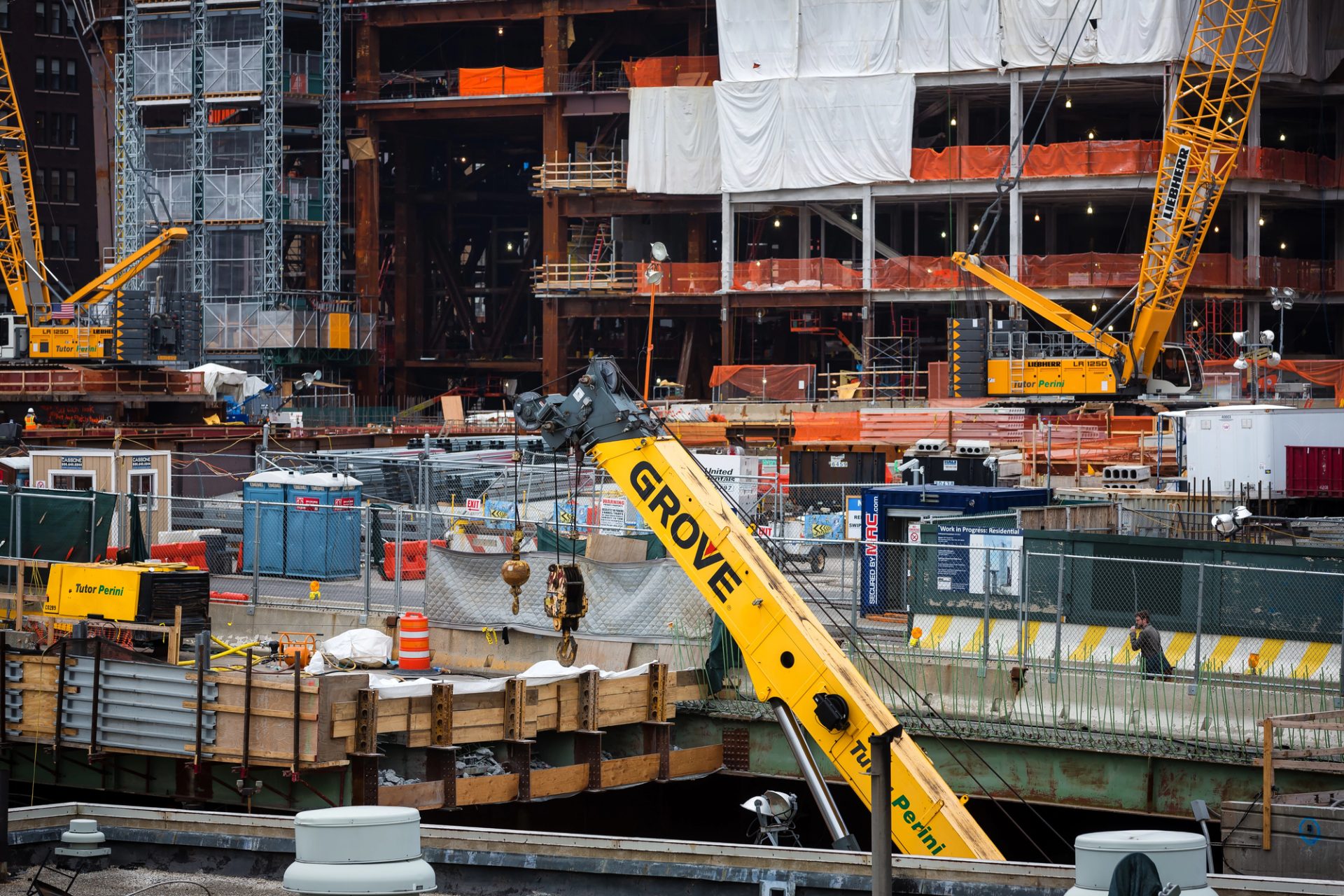
Trenching and Excavation Violations
Trenching and excavation work poses a significant risk of collapse, given that it can bury workers in seconds. OSHA requires protective systems such as trench boxes, sloping, or shoring for trenches deeper than five feet. Common trenching and excavation OSHA violations can demonstrate that hazards were known, foreseeable, and preventable. These include:
- Failure to provide cave-in protection.
- Inadequate soil testing.
- Unsafe access and egress.
- Lack of inspections by a competent person.
Failure to Provide Personal Protective Equipment
OSHA requires that employers provide appropriate personal protective equipment (PPE) when they cannot eliminate hazards. This includes hard hats, eye protection, gloves, high-visibility clothing, and respiratory protection. Failure to provide PPE OSHA violations can occur if employers:
- Do not provide the required PPE.
- Provide inadequate training on PPE use.
- Allow workers to operate without protection.
Inadequate Training and Supervision
Several construction accidents don’t stem from unsafe conditions, but from a lack of proper training and oversight, which is why OSHA requires employers to train workers on job-specific hazards and safety procedures. Violations may include:
- Failure to train workers on equipment use.
- Lack of hazard communication.
- No site-specific safety meetings.
- Inadequate supervision of subcontractors.
Conclusion
While OSHA does not permit injured workers to sue based on its regulations, courts often view OSHA construction violations as admissible evidence if they demonstrate that an employer has ignored safety standards. In construction accident cases, any such violation can support a claim under New York’s labor laws, highlight the presence of dangerous conditions, show that an accident was avoidable, and strengthen a third-party claim.
Now that you’ve looked at OSHA construction safety standards and how their violation can strengthen your workplace injury claim, make sure you seek advice from an experienced personal injury lawyer before deciding how best to proceed.