
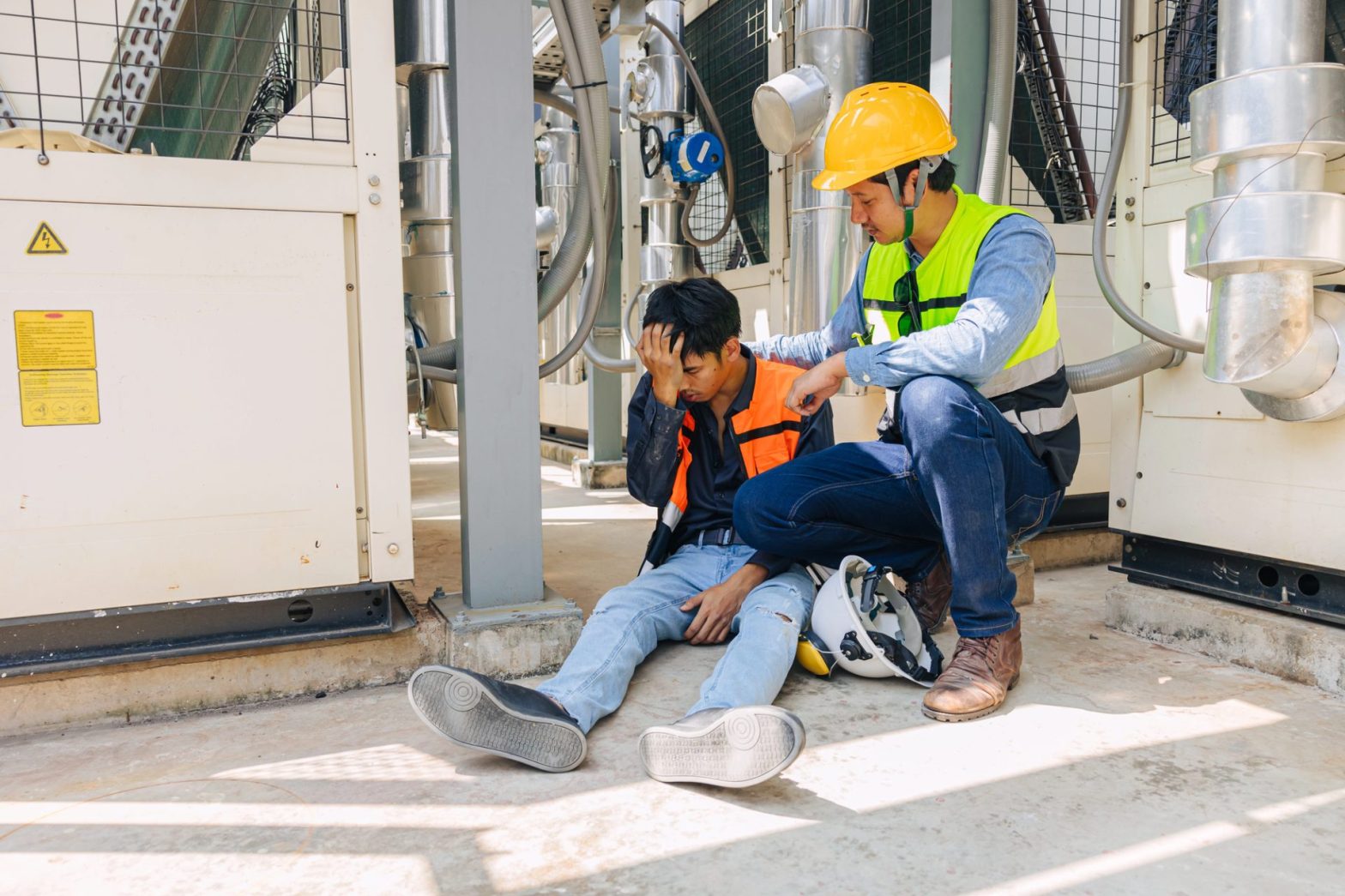
While construction sites and multi-employer workplaces are common in New York, they are also among the most dangerous environments for workers. When an accident occurs, determining who is legally responsible is rarely straightforward. This is especially true when subcontractors are involved, as liability often extends beyond a single employer.
If you think a subcontractor’s actions or inaction contributed to your injury, understanding the intricacies of subcontractor liability is crucial. This requires looking at how workers’ compensation, third-party claims, and New York’s unique labor laws work.
What Makes New York Different
To understand subcontractor liability, you must take into account that New York is a pro-worker state. While several states limit an injured worker’s recovery strictly to workers’ compensation benefits, New York provides a secondary, often more robust path through third-party personal injury litigation.
Three pillars of the New York Labor Law govern this aspect, and they include Sections 200, 240(1), and 241(6). These statutes place the ultimate responsibility for safety on those who have the greatest financial stake and overall control of a project, which includes owners and general contractors.
Who Is a Subcontractor?
A subcontractor is an individual or business hired by a general contractor or another subcontractor to perform a specific portion of a project. On a construction site, it’s common to have multiple subcontractors handling electrical work, plumbing, roofing, framing, and more. This layered structure creates a key legal issue, which is that multiple parties may share responsibility for workplace safety.
Workers’ Compensation Is the First Layer of Coverage
In most workplace accidents, the primary source of recovery is workers’ compensation. If you classify as an employee, the damages for which you may receive compensation include:
- Medical treatment.
- Partial wage replacement.
- Disability benefits.
Who Can You Sue?
Keep in mind that workers’ compensation comes with a trade-off because if you take this path, you generally cannot sue your direct employer for negligence. However, you can sue a property owner or a general contractor, and they, in turn, might choose to pull in the subcontractor through third-party liability to pay for the damages.
The Grave Injury Exception
The grave injury exception allows an employee to sue a subcontractor directly, which can happen because of:
- Total loss of an arm, leg, hand, or foot.
- Paralysis (paraplegia or quadriplegia).
- Total and functional loss of vision or hearing.
- Brain injury resulting in permanent total disability.
- Loss of life.
If an injury does not classify as grave, a subcontractor remains protected from direct liability to the employee, but not from contractual indemnification.
Expanding Your Legal Options Through Third-Party Liability
Workplace accident subcontractor liability in NY falls under third-party liability. This means you might be able to pursue a lawsuit against someone other than your employer. Common third parties include:
- General contractors.
- Property owners.
- Subcontractors.
- Equipment manufacturers.
For example, if a general contractor fails to maintain safe working conditions or creates a hazardous situation, you may have grounds for filing a personal injury lawsuit in addition to your workers’ compensation claim. This dual-path to recovery is a defining feature of how subcontractor accident liability in New York works.
How New York Labor Laws Affect Subcontractor Injury Claims
New York is different from many states because of its worker-protective labor laws, particularly in construction-related accidents.
Labor Law § 240
Commonly referred to as the Scaffold Law, this law applies to elevation-related risks, such as falls from ladders, scaffolds, or roofs, and it imposes strict liability on property owners and general contractors. Based on this law, it is possible to hold parties responsible regardless of whether they directly supervised an injured worker.
The defining characteristic of Section 240 is that it imposes non-delegable and absolute liability on owners and general contractors. For example, even if a general contractor or property owner has no direct involvement in a subcontractor’s daily tasks, it might be possible to hold them legally responsible for the failure to provide proper safety devices.
Labor Law § 241(6)
This statute requires construction sites to comply with specific safety regulations. If a violation of these rules leads to an injury, it might be possible to hold an owner or a general contractor liable. Subcontractors can benefit from this law if they were not directly responsible for the unsafe condition. Common violations include:
- Tripping hazards in shared work areas.
- Improperly guarded power tools.
- Lack of adequate lighting in stairwells or hallways.
Like the Scaffold Law, this section imposes a non-delegable duty, which means an owner or a general contractor is liable for a subcontractor’s failure to follow safety regulations, even if they did not create the hazard.
Labor Law § 200
This broader negligence-based statute requires owners and contractors to provide a reasonably safe workplace. Filing a New York construction accident liability claim under this law requires showing that the defendant had control over the work site or had notice of a dangerous condition.
General Contractor vs. Subcontractor Liability
When it comes to workplace injury liability in New York, common questions include, “Who is ultimately responsible, the general contractor or the subcontractor?” and “Can I sue a general contractor for a subcontractor’s mistake?” The answer depends on the facts of the case, but here are some guiding principles.
General Contractors
Because of the supervisory role they play, general contractors often find themselves embroiled in subcontractor liability claims. They are often responsible for:
- Overall site safety.
- Coordinating different subcontractors.
- Ensuring compliance with safety regulations.
Subcontractors
It’s possible to file successful New York construction accident liability claims against subcontractors if you can prove that:
- They created a dangerous condition.
- They failed to follow safety protocols.
- Their employees’ actions caused injury to others.
Shared Responsibility in Multi-Employer Worksites
Construction sites in New York are usually multi-employer worksites, where several companies operate simultaneously, and this creates overlapping duties and shared liability. For example, a plumbing subcontractor leaves tools scattered across a walkway, and an electrician trips and suffers a serious injury. In this scenario, the injured worker may:
- File a workers’ compensation claim through their employer.
- File a third-party lawsuit against the plumbing subcontractor.
- Potentially pursue claims against the general contractor or property owner.
You also need to remember that it’s fairly common to divide liability among multiple parties based on their level of fault.
Examples of Subcontractor Accident Liability Cases in New York
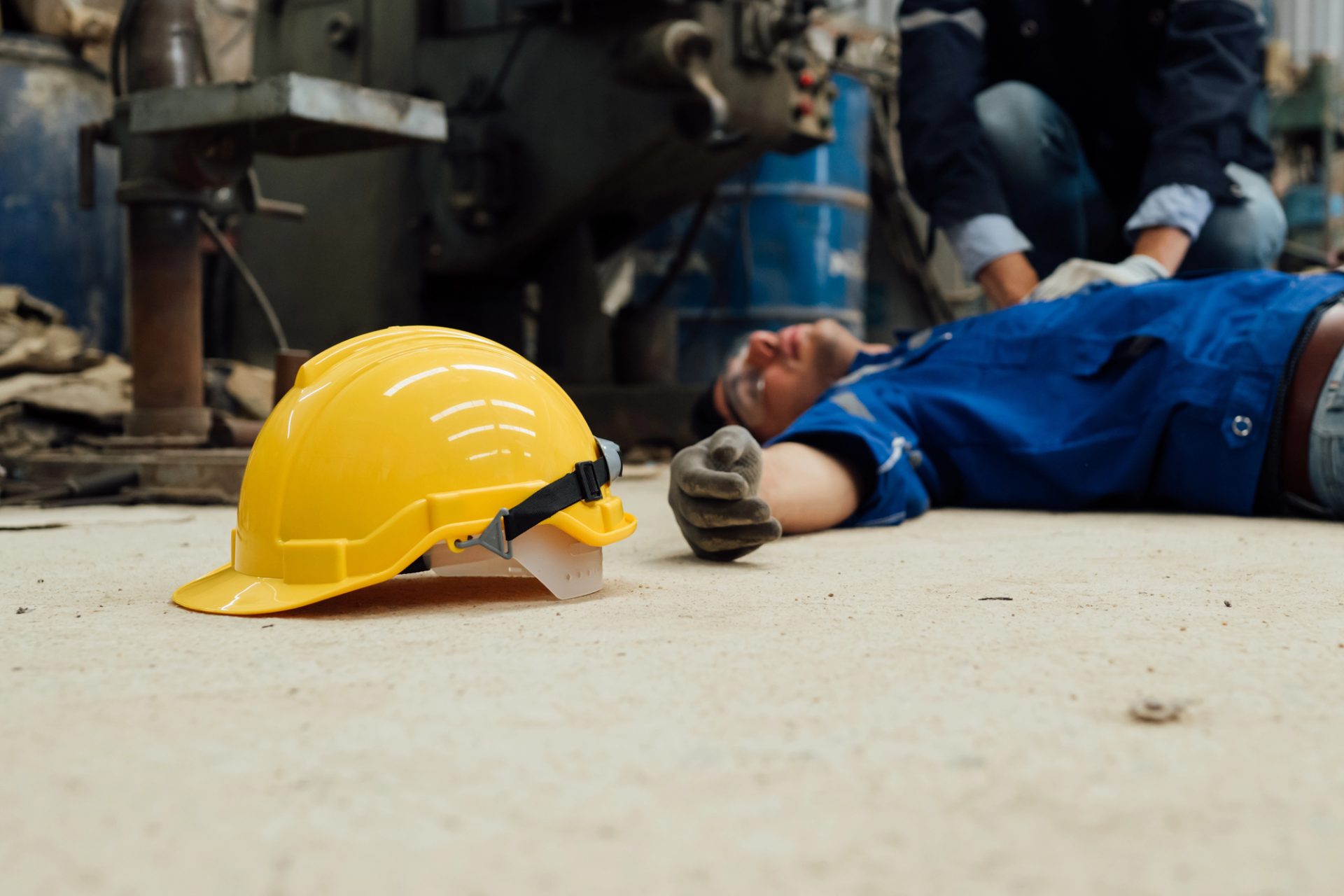
Understanding how accidents happen can help clarify liability because each scenario may trigger different legal recourses, including negligence, labor law violations, and product liability. Common causes include:
- Falls from heights (ladders, scaffolding).
- Falling objects.
- Unsafe or defective equipment.
- Electrical hazards.
- Slippery or obstructed walkways.
- Lack of proper safety gear.
The Borrowed Equipment Defense
Consider this example. A subcontractor’s employee borrows a ladder that belongs to a general contractor. The ladder turns out to be defective and collapses. In this case, it might be possible to hold the general contractor liable for providing defective safety equipment. However, a subcontractor may still have to indemnify the general contractor if their contract states they are responsible for providing all the necessary tools for their employees.
The Clean-Up Hazard
Consider a scenario where a plumbing subcontractor leaves a pile of debris in a hallway, and an electrician working for a different subcontractor trips and fractures their hip. Here, the injured worker can file a workers’ compensation claim and sue the general contractor. The general contractor might then sue the plumbing subcontractor for creating the hazard.
Falling Objects
If a masonry subcontractor is working on the fourth floor, and a brick falls and hits a worker on the ground because there was no netting, it is a failure to provide falling object protection. This makes the owner and general contractor strictly liable, although they might seek contractual indemnity from the masonry subcontractor.
Contracts and Indemnification
It is common for construction contracts to include indemnification clauses, which can shift liability from one party to another. For example, a subcontractor may agree to indemnify (protect) the general contractor from certain claims, and insurance policies may also play a role in determining who pays. While these contractual provisions don’t eliminate your right to sue, they can affect the distribution of liability behind the scenes.
How Contractual Indemnification Works
Indemnification clauses find their way into the complex chain of contracts that are part of almost every New York construction project. Consider a scenario where a worker suffers injury because of a subcontractor’s negligence. The worker sues the general contractor under Labor Law 240, holding them absolutely liable.
However, the general contractor’s contract with the subcontractor states that, “The subcontractor agrees to indemnify and hold harmless the general contractor for any injuries arising out of the subcontractor’s work.”
Through this mechanism, the financial burden of the accident eventually flows back to the subcontractor’s insurance carrier, even though the general contractor was the one technically liable under the law.
The Anti-Indemnity Statute
The General Obligations Law § 5-322.1 prohibits a party, like a general contractor, from indemnification for their own active negligence. As a result, if a general contractor’s actions were the sole cause of an accident, they cannot force the subcontractor to pay, regardless of what the contract says. This often leads to intense mini-trials within a personal injury case to determine the exact percentage of fault for each party.
The Role of Additional Insured Status
Most contracts require subcontractors to name general contractors and owners as “additional insureds” on their general liability policy, as this provides a critical layer of protection. In this case, if there’s an accident involving a subcontractor’s employee, the general contractor’s lawyer will send a tender letter to the subcontractor’s insurance company, demanding they provide coverage for the general contractor.
If a subcontractor fails to obtain this insurance, it’s possible to hold them liable for a breach of contract, which can be financially devastating.
Determining Liability
When investigating a subcontractor-related accident in New York, legal teams follow a specific hierarchy of questions to determine who to hold liable.
- Was it a height-related or gravity-related risk? If yes, the owner and general contractor are likely strictly liable under Section 240.
- Was there a specific Industrial Code violation? If yes, Section 241(6) applies.
- Did the general contractor or owner supervise the work? This determines liability under Section 200.
- Does the contract have a valid indemnification clause? This determines if a general contractor can shift the cost back to a subcontractor.
- Is the injury grave? This determines if an injured worker can sue a subcontractor directly beyond the workers’ comp limit.
The Role of Negligence in Subcontractor Accidents
With claims that involve subcontractor accident liability in New York, negligence is often the central issue, proving which requires establishing that:
- The defendant owed you a duty of care.
- The defendant breached that duty.
- The breach caused your injury.
- You suffered damages.
For example, if a general contractor ignored repeated safety complaints about unstable scaffolding, this failure could constitute negligence.
Comparative Fault in New York
New York follows the contributory negligence principle, which means that you can recover damages even if you are partially at fault, and your compensation reduces by your percentage of fault. So, if you are 20% responsible for your accident, your total recovery reduces by 20%. This rule is particularly relevant in subcontractor cases, where multiple parties, and sometimes an injured worker, share responsibility for an accident.
Conclusion
The best construction accident attorneys in NYC for subcontractor injuries understand that these cases can be extremely complex because they tend to involve multiple parties, overlapping legal claims, detailed labor law analysis, and insurance coverage disputes. Not surprisingly, what might seem like a straightforward workplace injury can quickly spiral into a multi-layered legal case requiring careful investigation.
Fortunately, legal help for subcontractor accident victims in NY is easy to find, and partnering with an experienced attorney is typically in your best interest. This way, while you may focus on recovering from your injury, your attorney can address all the legalities of your case effectively.