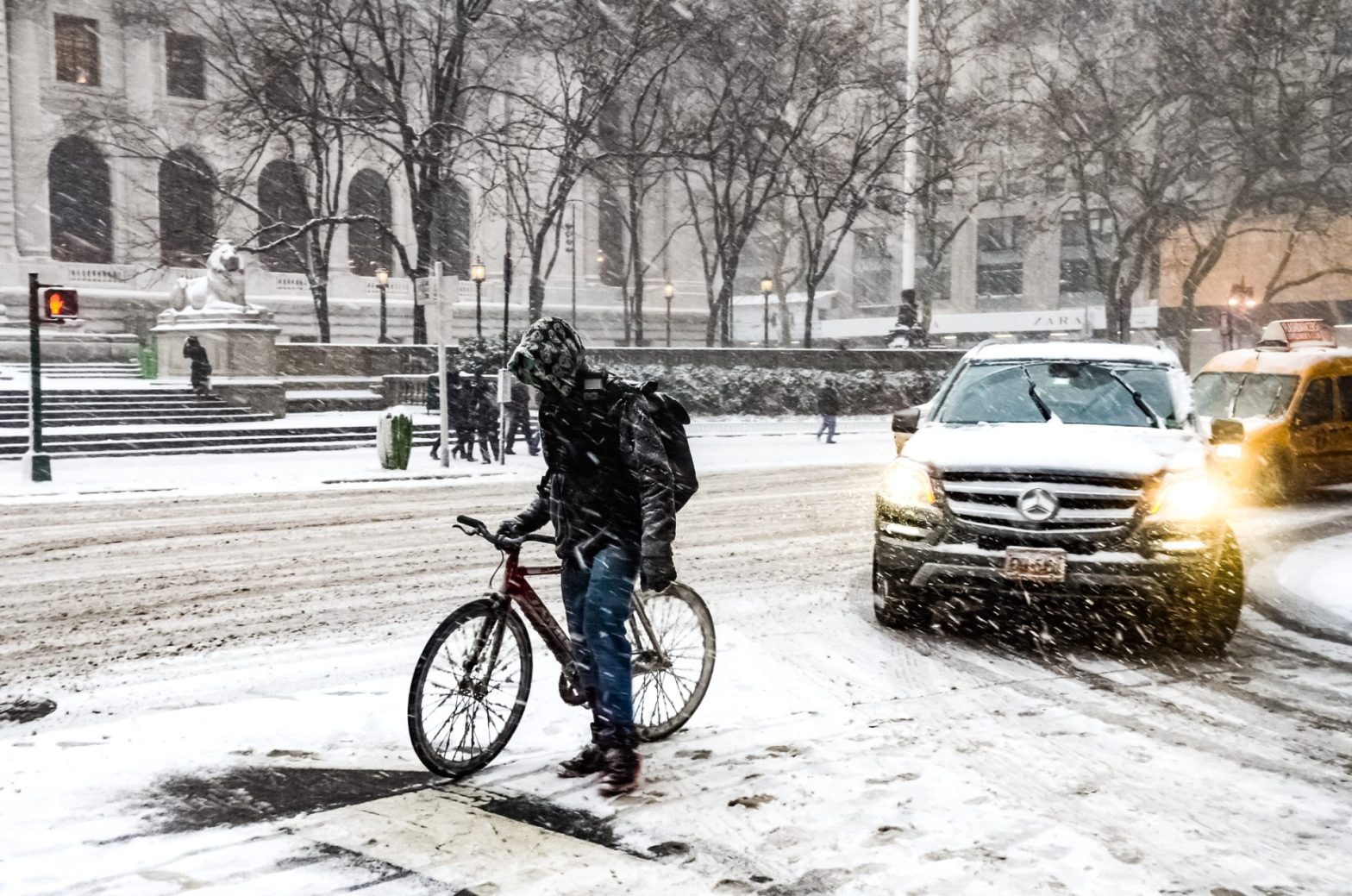
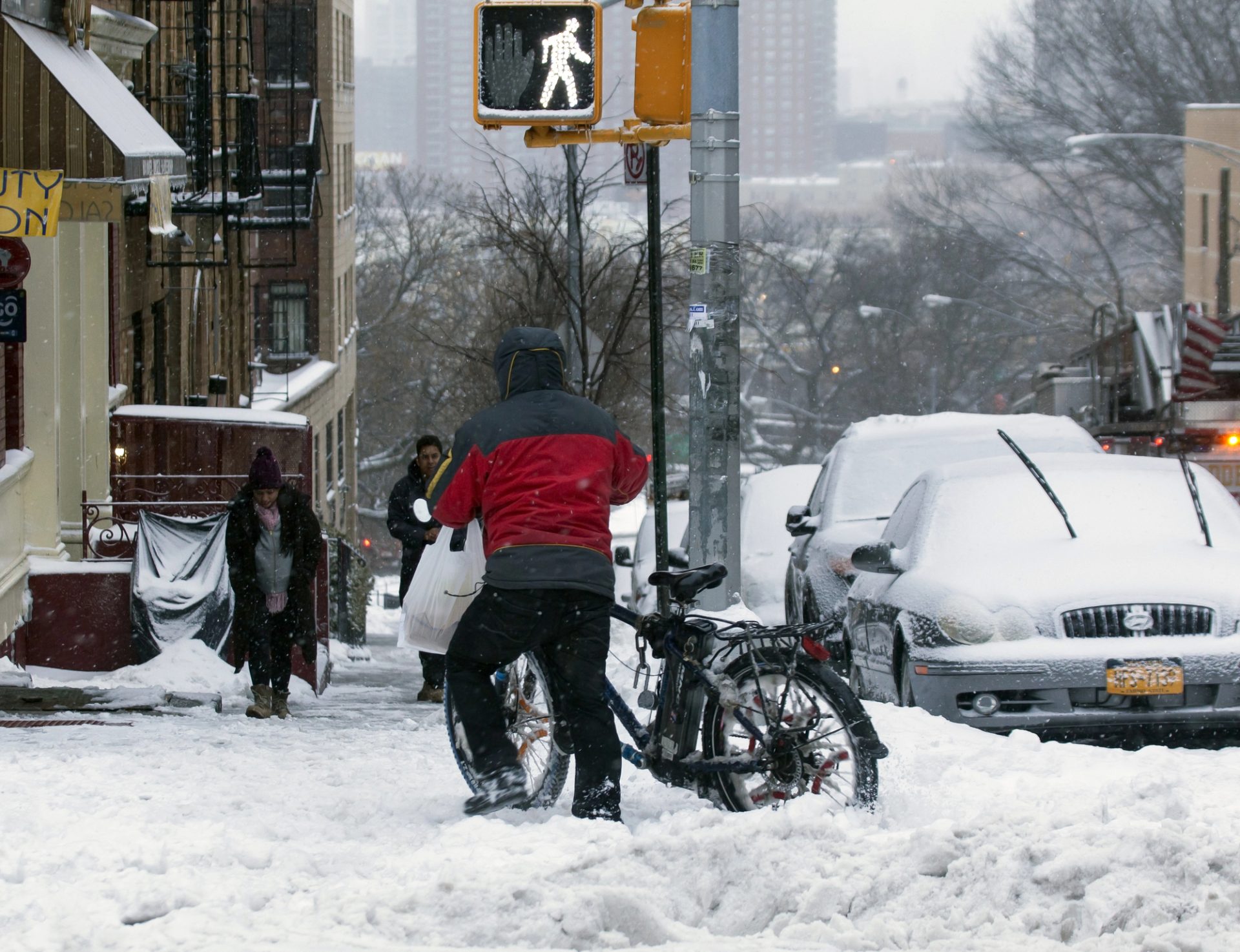
When snow piles up and sidewalks turn icy, Uber Eats and Grubhub drivers are often out navigating hazardous conditions to make deliveries. Unfortunately, this exposure comes with risk. After all, slip and fall accidents on snowy or icy properties are common, and when a delivery driver gets hurt, the question of liability can become complicated.
So, who is liable when a delivery driver slips on snow? Is it the property owner? Does it matter whether the driver is an independent contractor? What if the accident happened on a residential walkway instead of a commercial property?
When dealing with food delivery driver slip and fall accidents in New York, the answers depend on several legal factors. Understanding how premises liability, snow removal laws, and gig-worker injury rights intersect is critical for injured delivery drivers, and it’s ideal to seek legal advice at the onset.
The Risk of Delivery Driver Injury on Snowy Property
Food delivery drivers typically have to enter unfamiliar properties multiple times a day. Not surprisingly, apartment buildings, private homes, restaurants, and office complexes present different hazards, especially during winter. These can come in the form of:
- Icy sidewalks and entryways.
- Snow-covered stairs.
- Poor lighting during early morning or late evening.
- Uneven pavement hidden beneath snow.
- Slush that refreezes into black ice.
Given that speed is part of the job for Uber Eats and Grubhub drivers, tight delivery windows can put pressure on drivers to move quickly, even when surfaces are slippery. Then, a single misstep on an icy surface can result in serious injuries such as fractures, torn ligaments, or trauma to the head.
What to Do if a Delivery Driver Slips on Ice in NYC?
The priority after a Grubhub or Uber Eats driver slip and fall accident should be the injured person’s well-being. Even if you think you feel alright, keep in mind that some injuries, like concussions and internal bruising, might not be apparent immediately, which is why it’s crucial to seek medical attention as quickly as possible. Besides, documenting your injuries early is crucial for any potential claim.
In addition:
- Take photos and videos of the scene of the accident and your injuries.
- Identify eyewitnesses and collect their contact information.
- Notify Uber Eats/Grubhub and the property owner/manager.
- Contact a delivery driver injury lawyer.
Worker’s Comp vs. Personal Injury for Delivery Drivers
A big misconception is that workers’ compensation automatically covers delivery drivers injured on the job. The truth is that Uber Eats and Grubhub drivers are typically classified as independent contractors, and this distinction matters because they are not traditional employees. As a result, many delivery drivers:
- Do not receive workers’ compensation
- Cannot file a claim directly against Uber or Grubhub for most injuries.
- Must look at third-party liability, such as a negligent property owner.
This is why filing a slip and fall claim against a property owner is often the primary legal route to seek compensation for a delivery driver injury on snowy property.
The Basics of Premises Liability Law in New York
According to New York’s premises liability law, property owners must maintain reasonably safe conditions for people who are on their property lawfully. This duty extends to delivery drivers, even if they are independent contractors. The law might hold a property owner liable for a delivery driver’s slip and fall if:
- A dangerous condition existed.
- The owner knew or should have known about the condition.
- The owner failed to fix it within a reasonable time.
- The condition caused the injury.
While this applies to commercial and residential properties alike, the standards can differ slightly depending on location and usage.
What Makes Snow and Ice Premises Liability Unique
Claims that involve delivery drivers slipping on ice are usually more complex than ordinary premises liability claims. For starters, New York law recognizes that while snowstorms are unavoidable, it does not expect property owners to clear snow instantly (as per the Storm in Progress doctrine). However, it expects them to act reasonably. When it comes to establishing snow and ice premises liability, the questions that arise include:
- Was the storm still ongoing when the accident occurred?
- How long after the snowfall did the accident take place?
- Did the property owner make reasonable snow removal efforts?
- Did ice form due to negligent snow removal, such as refreezing runoff?
If an Uber Eats driver is injured slipping on an icy sidewalk that hasn’t been cleared hours after a storm ended, it might be possible to hold the adjacent property owner liable. However, this might not be the case if a Grubhub driver slip and fall accident occurs during an active blizzard.
The Role of Constructive Notice
In many slip and fall cases involving Uber Eats or Grubhub drivers, property owners argue that they were unaware of the icy condition that caused the accident. This is where constructive notice enters the picture. What it means is that a property owner should have known about a dangerous condition, even if they claim they did not have actual knowledge of the same.
To prove constructive notice, an injured delivery driver must show that the snow or ice was visible and apparent, and that it existed for a sufficient length of time before the accident. For example, if a Grubhub driver slips on a patch of ice that formed hours after a snowstorm ended, a court may find that the property owner had enough time to identify and address the hazard.
Similarly, icy conditions caused by refreezing snow piles, untreated runoff, or compacted foot traffic often suggest negligent snow removal rather than a sudden and unavoidable condition.
Snow Removal Laws for Property Owners in New York City
According to the NYC Administrative Code Sidewalk Rules, owners of commercial properties and residential properties with more than three units hold the responsibility to maintain the sidewalks adjacent to their properties in a safe condition. This includes removing snow and ice in a timely manner. Failure to do so might also attract fines from the NYC Department of Sanitation (DSNY).
As a result, if a property owner fails to clear an icy sidewalk and an Uber Eats driver slips while making a delivery, the violation can help establish fault. This is because courts often view noncompliance as proof that the owner did not maintain the property to a reasonable standard.
The Snow Removal Timeline
DSNY requires property owners to clear snow and ice from sidewalks based on a specific timeline.
- Stops snowing between 7:00 AM and 4:59 PM: You must clear the snow within four hours.
- Stops snowing between 5:00 PM and 8:59 PM: You get 14 hours.
- Stops snowing between 9:00 PM and 6:59 AM: You must clear the snow by 11:00 AM the following day.
While not abiding by these timelines can lead to significant fines, it can also serve as evidence to establish liability in a Grubhub or Uber Eats driver slip and fall accident claim.
Residential vs. Commercial Properties
Residential property owners may assume they are not responsible when a delivery driver is injured on their walkway or steps, but this assumption is often incorrect. This is because delivery drivers are considered lawful visitors, and the responsibility to maintain reasonably safe access to the areas they might use rests with homeowners.
However, the law does not expect homeowners to inspect their property as frequently as commercial entities. Timing, storm conditions, and the owner’s presence at the property also play a role in determining liability.
When it comes to commercial properties, the law typically holds them to a higher standard of care, given that they deal with regular foot traffic, including customers, tenants, employees, and delivery drivers. Since food deliveries take place routinely at many commercial locations, courts expect property owners and managers to:
- Ensure safe access during business hours.
- Inspect sidewalks and entryways regularly.
- Address snow and ice promptly.
- Maintain written snow removal and maintenance schedules.
How Contributory Negligence Works
New York’s contributory negligence rule implies that food delivery drivers can recover damages even if they were partially at fault. For example, if a court finds a driver 25% responsible for rushing and a property owner 75% responsible for not addressing icy conditions, the driver can still seek 75% of the damages. This can be particularly relevant in snow and ice premises liability cases where defense teams focus on factors like speed and footwear.
Do Uber Eats or Grubhub Provide Insurance?
While both companies offer insurance coverage for their delivery drivers, navigating the process might seem like a challenge.
- Uber Eats. Uber provides insurance to drivers who have logged in or have accepted a rideshare or delivery trip. Depending on the specifics of your case, it can cover medical expenses and lost wages.
- Grubhub. The occupational accident insurance that Grubhub offers to its delivery partners can cover medical expenses and some disability benefits.
Statute of Limitations for Delivery Driver Injury Claims
If you plan to file an Uber Eats or Grubhub driver injury lawsuit in New York, you typically get three years from the date of the accident. However, it might be possible to extend the statute of limitations through the “discovery rule” and “tolling” exceptions. If you intend to file a claim against a government entity, you get 90 days from the date of the incident to file a notice of claim with the agency in question, followed by one year and 90 days to file a lawsuit.
Conclusion
Now that you know who is liable when a delivery driver slips on snow and suffers an injury, remember that the law gives you the means to seek compensation. After all, a premises liability claim can help you recover damages for medical costs, lost income, and pain and suffering. However, given that insurance companies do their best to minimize their ability, it’s best if you have an experienced delivery driver injury lawyer by your side.