
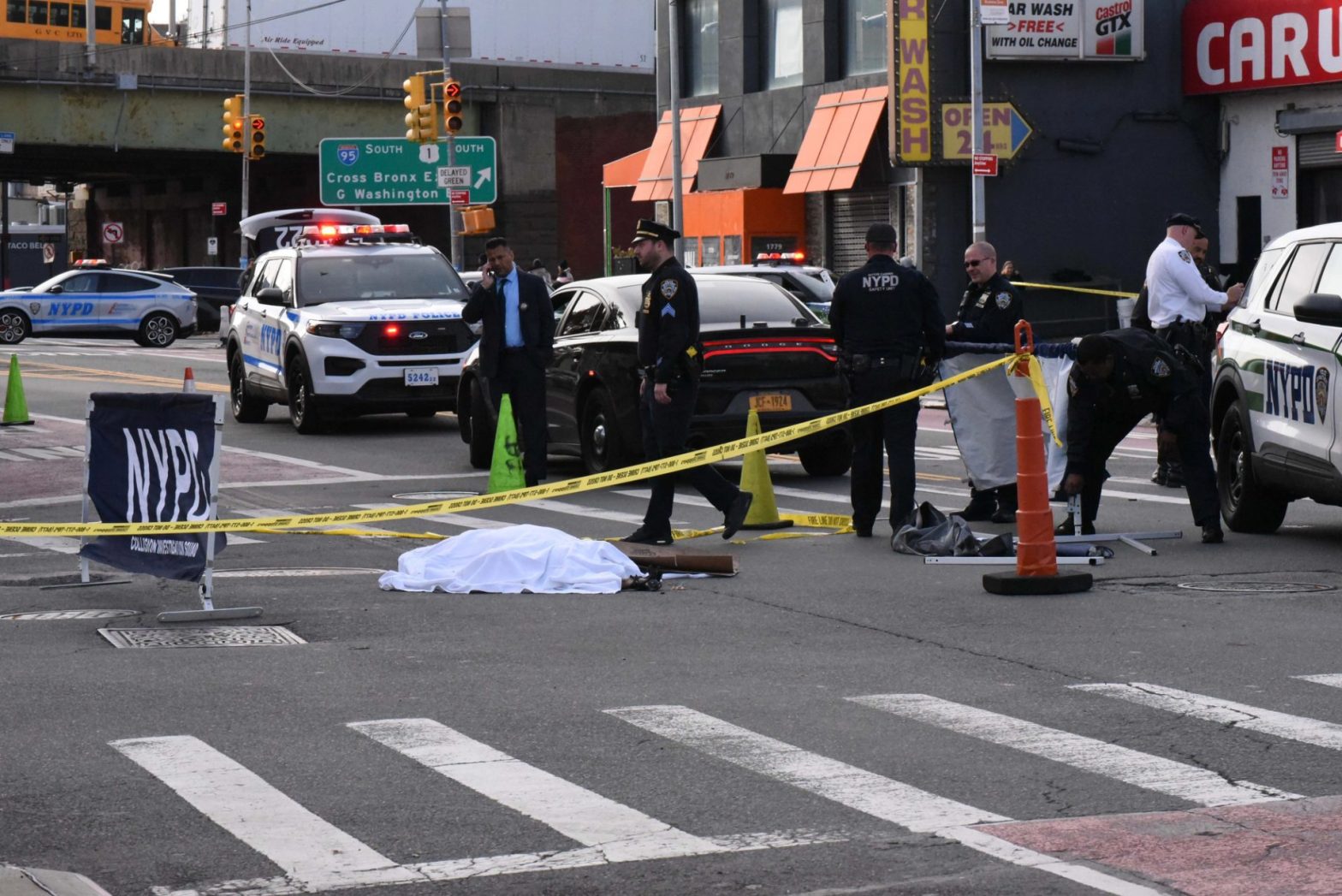
Getting involved in an automobile accident is typically stressful, and it’s common for confusion and anxiety to take over if the at-fault party flees the scene. Unfortunately, hit and run accidents take place at regular intervals, especially in dense urban areas like New York City. As an injured victim, you might be unsure of what to do next.
If an at-fault party flees the scene, it’s important to understand your rights, responsibilities, and legal options. What helps is that New York law provides several paths to compensation, even when it’s not possible to identify the driver who caused a crash.
Steps to Take After a Hit and Run Accident
The first few minutes after a hit and run accident are crucial when it comes to gathering evidence. This is because, unlike a typical accident, you lose the opportunity to exchange insurance information. You have to build the case yourself, and you can do this if you understand the steps to take when a driver leaves the scene of an accident.
Do Not Go Chasing
As much as your instinct might be to chase the at-fault driver down, it’s best to resist this urge. This is because chasing a fleeing driver can be dangerous, given that they could be intoxicated, driving a stolen vehicle, or armed. Besides, a high-speed chase through New York streets will put you, pedestrians, and other drivers at risk.
Call 911
If you suffer an injury in an accident, even a seemingly minor one, the law in New York requires you to call the police and remain at the scene. When an at-fault party flees the scene, you should call the police regardless of injuries so they can dispatch officers to try and locate the fleeing vehicle.
If you or your passengers suffer injury, request an ambulance immediately. This is particularly important because the shock of a crash often masks pain. While seeking immediate medical attention after an accident is crucial for your health, it also plays a role in your insurance claim.
Recall Details
When waiting for first responders, try to remember everything possible about the vehicle that hit you. Write it down or record a voice memo on your phone because some details can fade from memory. Elements that can help include:
- A full or partial license plate number.
- Make, model, and color of the vehicle.
- Distinctive features like bumper stickers or dents.
- Direction of the fleeing driver’s travel.
Gather Information
In a bustling environment like Manhattan or Brooklyn, there’s a good chance that someone will see something when an accident occurs. However, New Yorkers tend to move fast. So, if you see pedestrians who witnessed the crash, approach them immediately and ask for their names and phone numbers. Remember that neutral third-party witnesses can be the deciding factor in disputed claims.
Beyond witnesses, look around for surveillance cameras. These could be traffic cameras or security cameras outside ATMs and shops. If you find any, make a note of the exact location. Your hit and run lawyer can use this information to obtain the required footage at a later stage.
You also need to take photos and/or videos of your vehicle and the scene of the accident. These help document the damage to your vehicle, skid marks, debris, and the surrounding environment.
Begin the Legal Process
The legal process gets underway once the police arrive and create an accident report. This is perhaps the most critical document in your entire case. According to New York law, you must file a Report of Motor Vehicle Accident (MV-104) with the DMV within 10 days if there is more than $1,000 in property damage or if anyone was injured. If the police are at the scene, they provide their version of this report.
Understanding NY VTL 600
Section 600, under Chapter 71 (Vehicle & Traffic), Title 6, Article 22 of the Consolidated Laws of New York governs instances of leaving the scene of an accident without reporting. The police do investigate these crimes, especially when injuries are involved. Understanding the severity of these laws is important because it underscores that the state takes hit and run accidents seriously.
- If an accident results only in property damage, courts tend to look at it as a traffic infraction or a misdemeanor, depending on the circumstances.
- In accidents that involve personal injury, the consequences for a hit and run accident in New York can range from a misdemeanor to a Class D felony, more so if they lead to serious injury or loss of life.
How a Hit and Run Insurance Claim in NY Works
The answer to questions like “Can I get compensated if the driver fled the scene?” and “Can you file a claim if the driver fled the scene?” is that hit and run accident injury compensation in New York can take different forms. These include no-fault insurance, uninsured motorist (UM) coverage, and coverage from MVAIC.

No-Fault Insurance
New York follows the no-fault insurance system, and this does not mean no one is to blame for an accident. Instead, it means that your own insurance company will pay for your initial medical expenses and lost wages, irrespective of who causes an accident. Keep in mind that you need to file a no-fault application with your insurance provider within 30 days of the accident, failing which your insurer might deny your claim.
No-fault insurance can be particularly beneficial if you plan to file a hit and run injury claim in NY because you don’t have to locate the other driver to pay your immediate medical bills. Your policy’s Personal Injury Protection (PIP) coverage kicks in, which typically covers up to $50,000 per person for basic economic loss that can include medical bills, some lost earnings, and incidental costs.
Uninsured Motorist (UM) Coverage
The drawback with no-fault insurance is that it does not cover property damage and non-economic damages like emotional distress and disfigurement, and when an at-fault party flees the scene, you have no one to sue. In such instances, uninsured motorist (UM) bodily injury coverage can come to your rescue.
New York law requires every auto insurance policy to provide this coverage. When it’s not possible to identify drivers in hit and run accidents, insurance companies treat them as uninsured motorists. In this case, you file a claim against your own insurance company for the damages the fleeing driver should have paid. The minimum limits for UM bodily injury coverage in New York stand at $25,000 per person and $50,000 per accident.
The MVAIC Safety Net
Pedestrians and cyclists are particularly vulnerable in hit and run accidents. These cases often involve serious injuries and raise unique insurance issues, especially when a victim does not own a vehicle. In some cases, a household member’s insurance policy might provide respite. In others, filing an MVAIC hit and run claim might work as an effective solution.
While assistance can be at hand, you should determine if you qualify before you file an MVAIC hit and run claim. For instance, the accident must have occurred in New York State, and you should not have any automobile insurance under your name. You also need to adhere to strict timelines.
- Report the accident to the police within 24 hours.
- File a notice of intention to submit a claim with MVAIC within 90 days.
The Need for Legal Assistance
Dealing with a hit and run accident in New York can turn out to be a complicated legal matter, given that your own insurance company might try to minimize its payout. For instance, it might dispute the existence of another vehicle, or it could argue that your injuries aren’t serious enough to qualify for compensation beyond the no-fault coverage.
Since at-fault drivers are not there to present their version of how events unfolded, it’s common for insurance companies to suspect fraud in these cases. This is why you need to present rock-solid evidence to prove the accident happened the way you say it did.
With an experienced New York car accident lawyer by your side, you’re in a much better position to navigate the legal intricacies of your case. This is because you can count on your lawyer to get surveillance footage before it’s erased, keep track of deadlines, and negotiate with insurance companies trying to lowball your settlement.
Conclusion
With knowledge of what happens if the at-fault driver leaves the scene in NY, you should find yourself in a good position regarding what to do next. However, given that hit and run accident claims can become complicated, you should consider using the services of a personal injury lawyer who specializes in this realm. This simple step will improve the odds of getting the compensation you deserve significantly.