
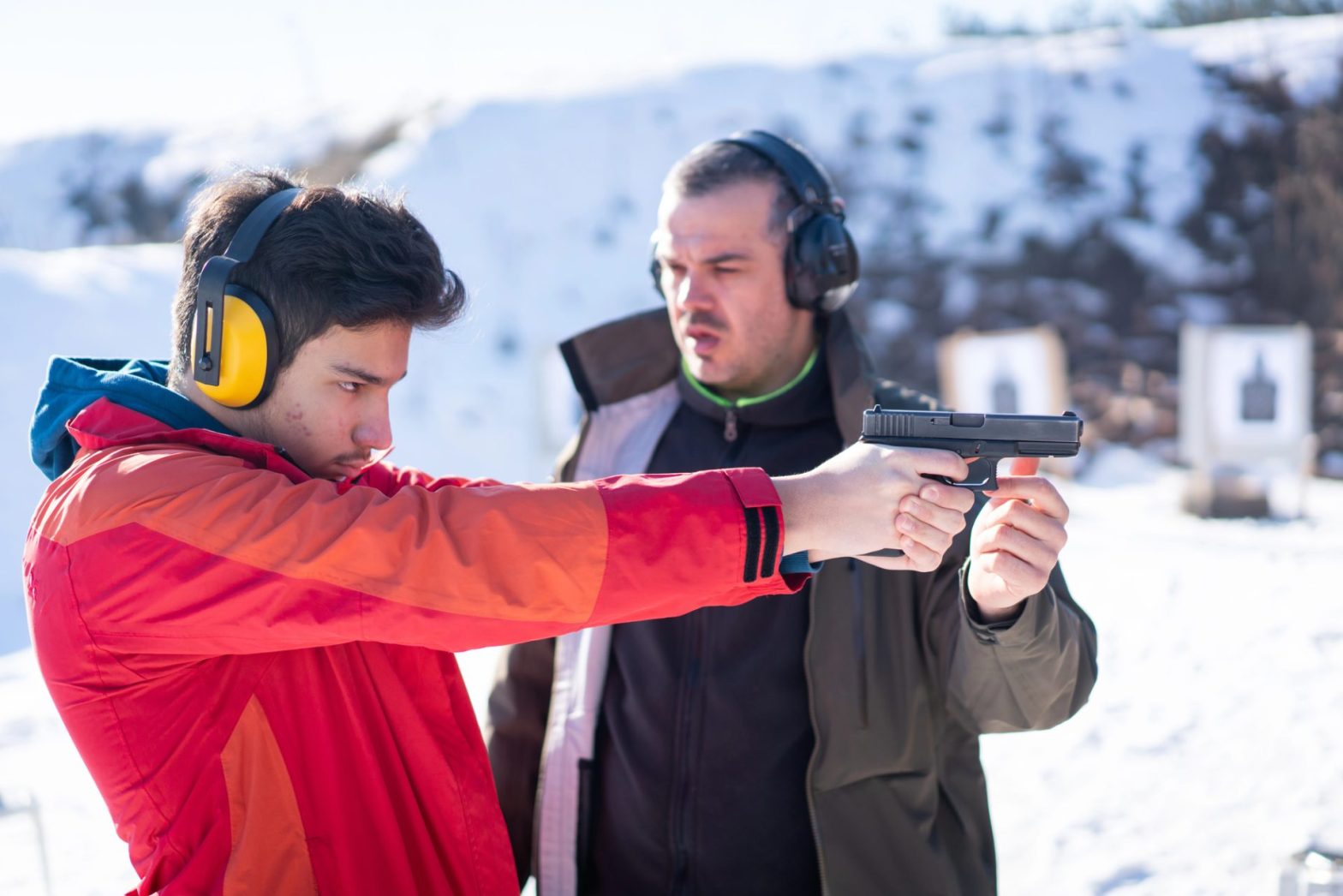
If an accident that leads to injuries involves the negligent use of a deadly weapon, a court may find the individual responsible for the accident guilty of a misdemeanor or felony. However, not all such instances end up in convictions, because it is crucial to prove that the individual handling the weapon was negligent and breached the duty of care owed to the person who suffered injuries.
Whether you’re someone who has suffered injuries because of the negligent use of a deadly weapon or someone who stands accused of the same, knowing the legalities surrounding such cases is in your best interest.
What Is a Deadly Weapon?
According to New York state law, deadly weapons include:
- Loaded weapons that may cause serious injury or death
- Switchblade knives
- Daggers
- Expandable batons
- Billy clubs
- Metal and plastic knuckles
- Metal knuckle knives
- Pilum ballistic knives
The New York City Department of Education prohibits the use of different weapons on school grounds. These include:
- Paintball guns
- BB guns
- Air guns
- Stun guns
- Spring guns
- All types of knives
- Pepper spray
- Mace
- Sling shots
In addition, the state law defines dangerous instruments as instruments, substances, or articles, including automobiles, that you may use, threaten to use, or attempt to use, which can cause serious injury or death.
What Does Negligent Use of a Deadly Weapon Mean?
If you suffer injury because of the negligent use of a deadly weapon and wish to take the other party (defendant) to court, you need to prove that the opposing party failed to act with reasonable care, resulting in your injuries. The four elements of negligence in legal cases include:
- Duty of care. This requires showing that the defendant owed you a duty of care. For example, a gun owner should not point a loaded gun at anyone.
- Breach. This is typically the most important aspect in cases that involve negligent use of a deadly weapon. It requires proving that the defendant breached his/her/their duty of care. For example, pointing a loaded gun at someone is breaching the duty of care.
- Causation. This element requires showing that your injuries would not have occurred if not for the breach on the defendant’s part.
- Damages. This element involves highlighting the damages you suffer because of the accident and your injuries. They may come in the form of medical bills, property damage, lost wages, and more.
Depending on the specifics of a case, causation can be direct or indirect. With direct causation, there’s a direct relation between a breach and the resulting accident. For example, someone might waive a loaded gun in excitement and fire a shot by mistake. In case of indirect causation, a breach is a significant factor in causing an accident. For example, a parent might let a child play with a loaded gun, which the child then fires.
From the legal point of view, negligent discharge of a firearm or negligent use of any other deadly weapon refers to using the weapon with a lack of adequate caution and causing injury to others. Courts typically view the reckless use of firearms and knives as acts of negligence too.
Prohibited Use of Weapons in New York
Section 265.35 of New York’s Penal Law lays down stipulations surrounding the prohibited use of weapons in the state. It makes the following illegal.
- Hunting with dangerous weapons in counties that are completely within the limits of a city.
- Knowingly discharging a firearm or any other gunpowder-based gun at an aircraft, train, bus, car, or other automobile.
- Knowingly discharging a firearm or other deadly weapon in a public place.
- Pointing or aiming a firearm or any other gunpowder-based gun at someone.
- Discharging a firearm or any other gunpowder-based gun at someone without malice or injury.
- Discharging a firearm or any other gunpowder-based gun at someone intentionally but without malice, while maiming or injuring the other party.
Criminal Possession of Weapons in the Fourth Degree
According to Section 265.01 of New York’s Penal Law, individuals might be guilty of criminal possession of a weapon in the fourth degree if they possess:
- Firearms
- Electronic dart guns
- Electronic stun guns
- Switchblade knives
- Pilum ballistic knives
- Metal knuckle knives
- Cane swords
- Billy clubs
- Blackjacks
- Bludgeons
- Plastic knuckles
- Metal knuckles
- Chuka sticks
- Sand bags
- Sand clubs
- Wrist-brace type slingshots or slungshots
- Shurikens
- Throwing stars
This is also the case if you are in possession of an imitation pistol, dangerous knife, undetectable knife, machete, razor, dagger, stiletto, dirk, or any other deadly or dangerous weapon/instrument that you intend to use against someone unlawfully. Keep in mind that there are several other scenarios in which a court may charge you with criminal possession of a weapon in the fourth degree.
How Accidental or Negligent Discharge of a Firearm Occurs
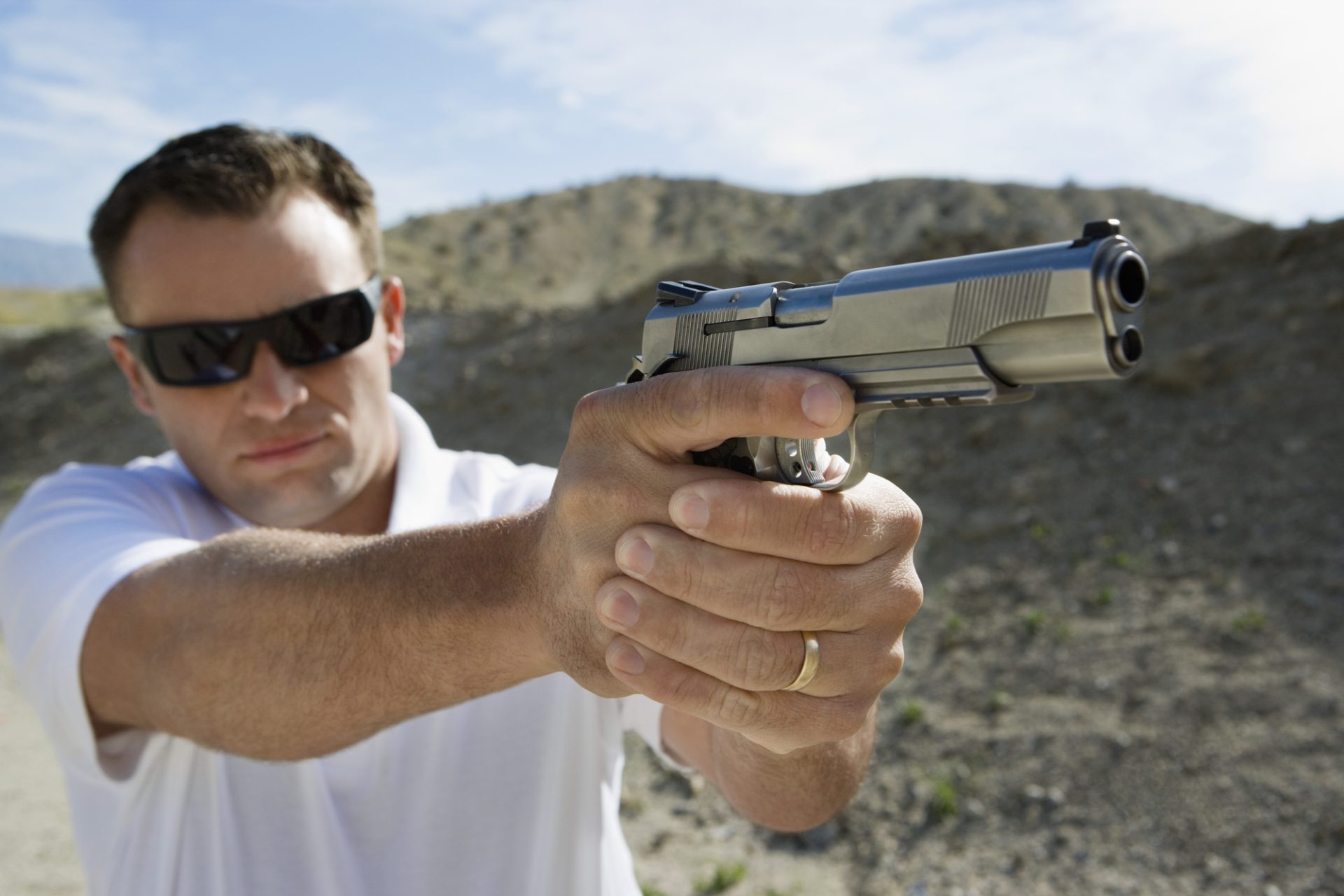
Accidental discharge of a weapon typically takes place when a person handling a weapon is negligent, fails to maintain reasonable care, and fires it unintentionally. This may involve pointing a loaded weapon at someone else or property. While negligent discharge of firearms can take place anywhere, including public places and homes, they are more likely to occur in places where the use of firearms is common, such as hunting lands and shooting ranges.
There are different ways in which negligent discharge of a firearm can occur and the most common ones include:
- You try to holster or grip a firearm and squeeze the trigger accidentally, causing the firearm to discharge.
- You pull the trigger of a firearm without intending it to discharge (for testing or demonstration).
- You drop a firearm accidentally, causing it to discharge.
- A mechanical failure causes a firearm to discharge.
If a mechanical failure occurs because of a defect in a firearm, it might be possible to hold its manufacturer liable for injuries that result owing to the weapon’s accidental discharge. However, some mechanical failures can also occur because of a firearm’s and/or its ammunition’s poor maintenance.
Sentence for Negligent Discharge of a Firearm
Is negligent discharge a felony? It can be, based on the specifics of a case. With regard to sentencing, the consequences of negligent discharge can come in the form of a misdemeanor or felony conviction.
While a misdemeanor conviction may come with a sentence of up to one year in prison and/or a fine, a felony conviction might lead to a longer incarceration and a steeper fine. Here are some examples of sentences for negligent discharge of a firearm.
- Discharging a firearm in city limits to hunt is a Class A misdemeanor, and comes with up to one year in prison.
- Pointing a firearm at someone is a Class A misdemeanor, with up to one year in prison.
- Discharging a weapon in a public place is a Class A misdemeanor, with up to one year in prison.
- Discharging a weapon when it’s pointed at someone is a Class A misdemeanor, with up to one year in prison.
- Discharging a weapon and injuring or maiming someone is a Class A misdemeanor, with up to one year in prison.
- Discharging a weapon at a train or aircraft classifies as a Class E felony, and can come with up to four years in prison.
- Discharging a weapon at a train or aircraft and endangering someone’s life is a Class D felony, with up to seven years of prison time.
In case of a felony conviction, the individual at the receiving end may also suffer from other consequences such as:
- Losing the right to vote
- Loss of employment
- Losing the right to own or purchase a firearm
- Inability to find accommodation on rent
- Inability to pursue higher education
Conclusion
Whether you’re the victim of the accidental discharge of a firearm at home, in a public place, or anywhere else, or someone who has caused injuries to another person owing to the negligent use of a deadly weapon, you must consider contacting a personal injury attorney who specializes in this realm at the earliest. After all, knowing where your case stands legally is crucial to determining the next step.