
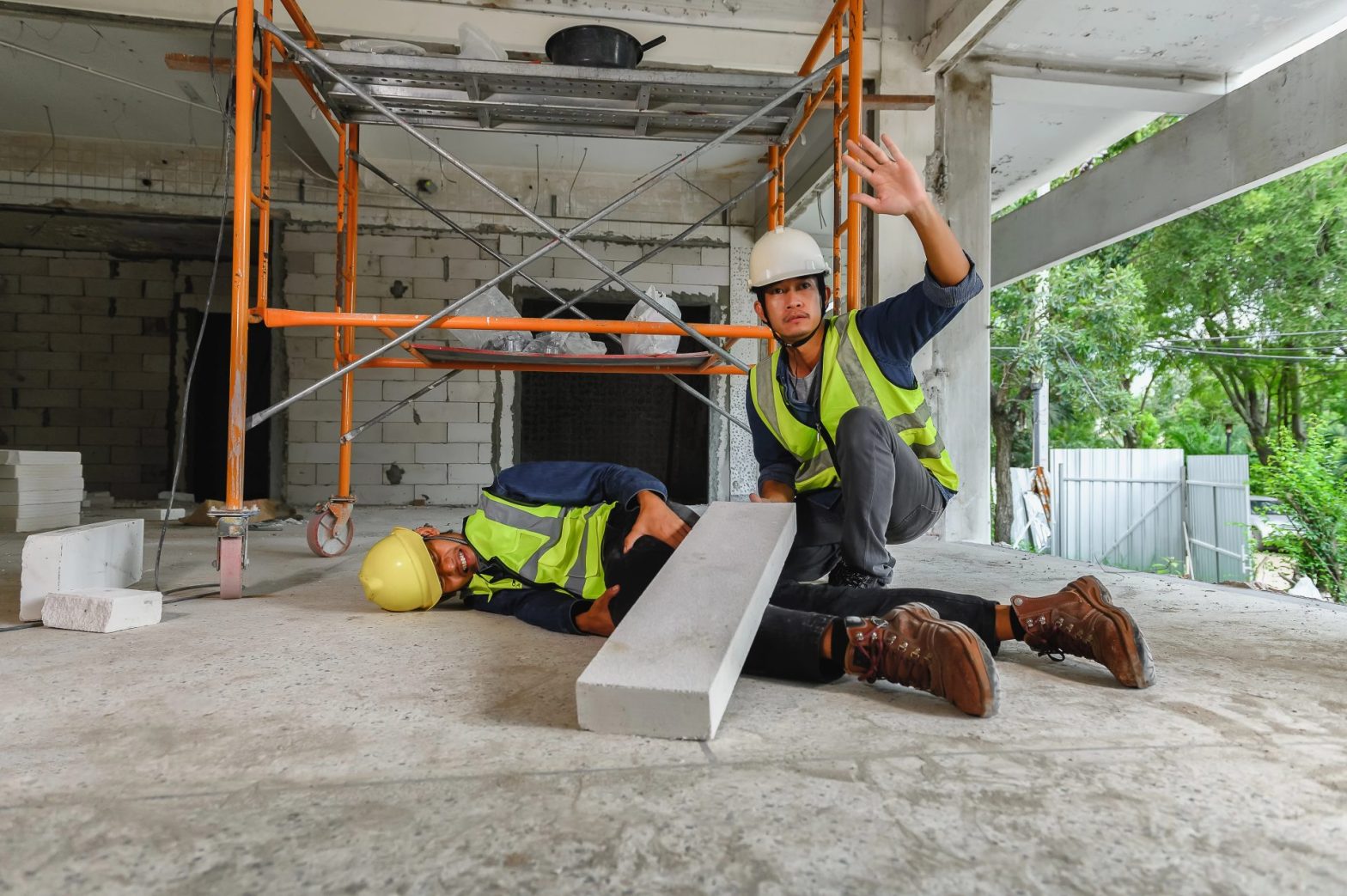
If you suffer an injury at a job site anywhere across New York, your first assumption might be that workers’ compensation is your only option. However, under state law, injured workers typically have the right to file a personal injury lawsuit against parties other than their direct employer. These claims allow you to seek compensation that workers’ comp does not cover, including pain and suffering, emotional distress, and the full value of your lost earning capacity.
This post delves into questions like how do workers’ comp and personal injury lawsuits differ, who could be liable for a construction site injury, and what are the legal rights for construction workers after an accident.
Workers’ Comp vs. Personal Injury Lawsuits
According to Section 11 under Article 2 of New York Workers’ Compensation Law, workers’ comp acts as the exclusive remedy against your direct employer. This means you generally cannot sue your boss or your immediate employer for negligence, even if their carelessness contributes to your injury. In exchange, workers’ comp provides no-fault medical coverage and a portion of your lost wages, regardless of who causes the accident.
However, a typical New York construction site is not a single-employer environment. It is a dense and high-risk ecosystem that may involve:
- Property owners and developers.
- Construction managers and general contractors (GCs).
- Independent subcontractors (electrical, plumbing, masonry, and demolition).
- Equipment manufacturers, leasing outfits, and delivery operators.
- Architects and structural engineers.
So, what is the difference between workers’ compensation and a lawsuit? Simply put, if someone other than your direct employer fails in their duty of care, you have the right to file a third-party construction accident lawsuit. In this case, you can recover full economic and non-economic damages while still receiving your statutory workers’ comp benefits.
Does New York Have Construction Accident Laws?
Construction site accidents in New York fall under the purview of the state’s labor laws. If you meet with an accident at a job site, your legal claim will almost certainly hinge on one or more of these provisions.
Section 240
Section 240 under Article 10 of the New York State Labor Law is in place to protect workers exposed to elevation-related hazards, specifically gravity-related risks.
- Falls from heights. These include accidents that involve defective ladders, unstable scaffolds, open elevator shafts, roofs, and floor openings.
- Falling objects. Tools, building materials, steel beams, or debris falling from above due to improper hoisting, securing, or inadequate overhead protection may lead to serious injury.
The strength of Section 240 lies in its standard of absolute liability, owing to which the defense cannot diminish your recovery by claiming contributory negligence. This is unless it can prove your actions were the sole proximate cause of the accident or that you were a recalcitrant worker who deliberately refused to use available safety gear.
Who is liable for a construction accident under this law? It can be:
- Property owners.
- General contractors.
- Entities who act on behalf of owners or contractors.
Section 241 (6)
Section 241 covers construction, excavation, and demolition work. Point number 6 of this section places a non-delegable duty on site owners and general contractors to ensure that all areas where work is being performed are safely equipped, arranged, and guarded. Unlike Section 240, contributory negligence can play a role in cases that hinge on this statute.
Section 200
This section of the state’s labor law governs the general duty to protect the health and safety of employees, and it requires that property owners and general contractors provide workers with a safe place to work. Claims under Section 200 generally fall into two categories.
- Dangerous premises conditions. Hazards inherent to the property itself that the owner or general contractor knew, or should have known about, such as toxic fumes, rotting floor joists, or concealed live wires.
- Defective means and methods. These focus on injuries arising from the manner in which the work was performed. In this case, you must demonstrate that an owner or a general contractor exercised actual supervisory control over the specific operation that caused your injury.
Who Is Liable for a Construction Site Accident in New York?
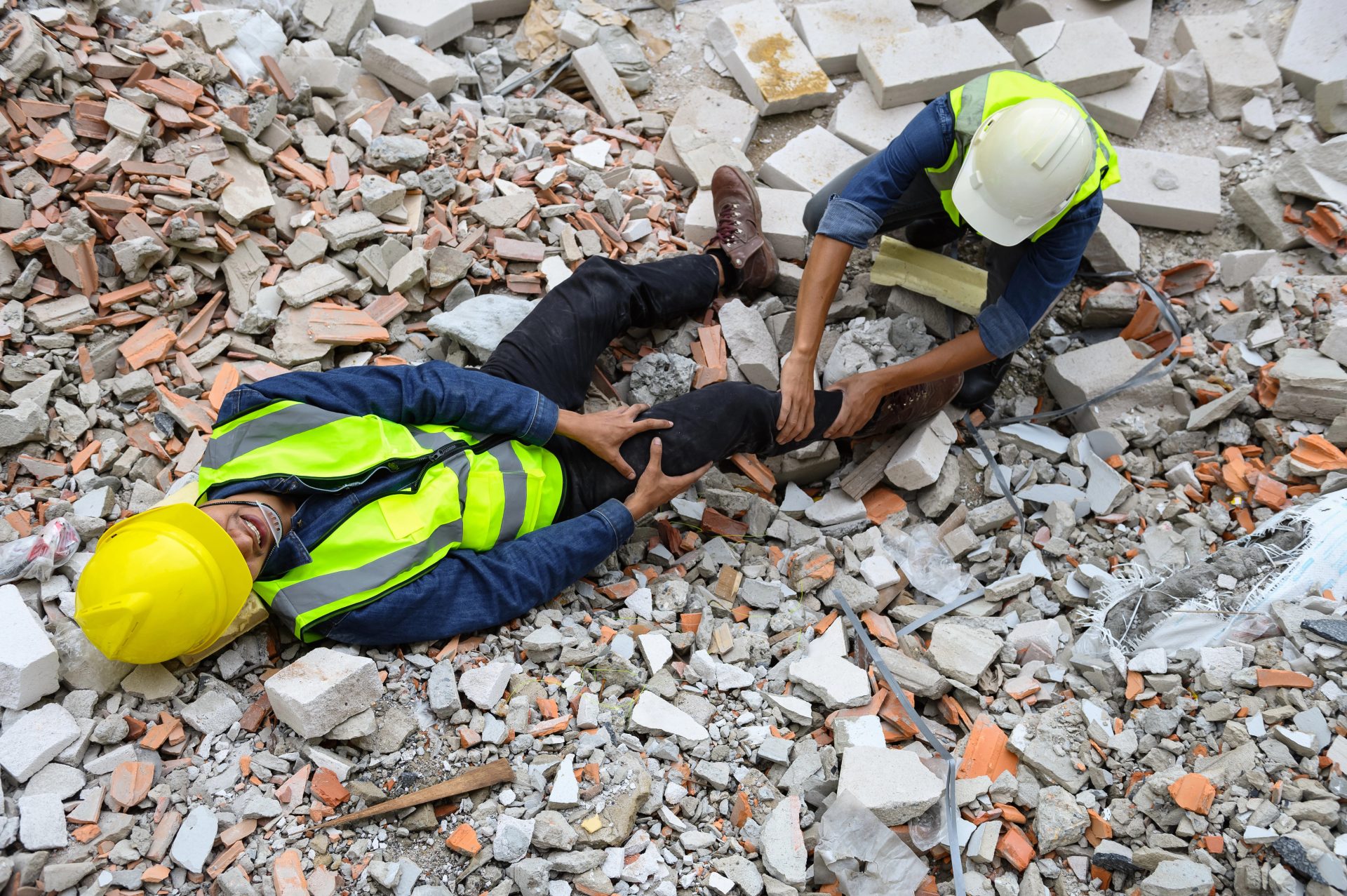
The answer to “Who is held liable for construction accidents?” depends on the facts uncovered during an investigation, and your lawsuit may target several entities.
- Property owner/developer. They can face strict liability for failing to secure the work environment.
- General contractor. They are typically responsible for overall site safety failures, coordination negligence, and statutory violations.
- Subcontractor. They can be liable for reckless machinery operation, leaving unsecured hazards, or dropping loads on other workers.
- Equipment manufacturer. If an injury occurs because of defective scaffold clips, failing harnesses, or malfunctioning brakes on a telehandler, it’s possible to hold the manufacturer liable.
How Long Do You Have to Sue for a Construction Accident in New York?
New York’s statute of limitations generally gives you three years from the date of the accident to file a third-party construction accident lawsuit. If an accident results in a fatal injury, surviving family members generally have two years from the date of demise to initiate legal proceedings. If you wish to pursue a case against a government entity, you get 90 days from the date of the incident to file a notice of claim.
Conclusion
New York City construction site accident lawyers understand that workers’ compensation can fall woefully short of covering all the damages that an injured worker might suffer, and they play an important role in filing lawsuits based on the state’s labor laws. As a result, if you’ve been hurt at a job site, seeking legal advice at the earliest might be in your best interest.